SEO for furniture stores is the process of ranking for the specific searches buyers run before they choose a piece, things like "modern oak dining table," "best sectional sofa for small spaces," or "furniture store near me." Furniture is a high-ticket, considered purchase: shoppers research online first, and many still walk into a showroom to make the final call. A focused seo strategy and search strategy for furniture retailers turns those research sessions into both online sales and showroom foot traffic.
This guide pulls together the eight practice areas of furniture store seo that move the needle for furniture retailers in 2026, then shows how to automate the per-product piece with the Pumice Product Optimization Playbook so your flagship and slow-moving SKUs catch up fast.
Furniture SEO stack overview: local SEO (Google Business Profile + citations), site taxonomy + schema, product pages + visual content, content marketing, off-page backlinks, technical foundation, and the Pumice Product Optimization Playbook bridging best practices to per-SKU execution.
Key Takeaways
Before the deep dive, here is what this seo strategy guide will leave you with:
SEO for furniture stores wins on long-tail, high-intent searches like "modern walnut bed frame Chicago," not generic head terms.
Local SEO, product page depth, and technical performance are the three biggest levers, with structured data and visual content close behind.
Content authority for furniture is built around home decor, room styling, and care guides, those topics also fuel backlink outreach to the interior design ecosystem.
Voice search and AI-driven shopping reward conversational copy. Write product and category pages like you are talking to a buyer, not stuffing keywords.
The Pumice Product Optimization Playbook automates the per-product comparison work so your top SKUs match how the SERP winners are actually written.
Why SEO for Furniture Stores Matters in 2026
Furniture sits in an unusual spot in the discovery funnel for any furniture business or furniture website operating online and targeting a furniture buyer target audience across the search engines. The broader furniture industry, including the U.S. furniture and home furnishings market that any furniture industry player tracks, is projected near $189.74 billion in 2026 (Grand View Research). Roughly 68% of furniture shoppers research products online before stepping into a showroom, and around 38% of U.S. furniture sales happen online outright. The job is to win both worlds with the same furniture store website and to drive online and offline sales together.
Even when potential customers complete the transaction at the furniture store, their search journey starts in the search engines, which is where your seo efforts and the major search engines pay off. Strong search rankings across the major search engines build credibility for the listing, and consistent search engine rankings reduce ad dependency, reduce dependence on paid ads, and feed both web orders and showroom appointments. IKEA, Wayfair, and other online furniture stores dominate broad head terms, including the largest online furniture stores, but they leave most long-tail descriptive queries on the table for smaller furniture shops to win.
Potential customers cannot sit on the sofa or feel the upholstery before buying online from a furniture store. That makes high quality images, video, and 360-degree views central to both conversion and online visibility. It also makes performance optimization a hard requirement: compress assets, host video externally, and keep Core Web Vitals tight. Longer dwell times from richer pages then feed back into rankings.
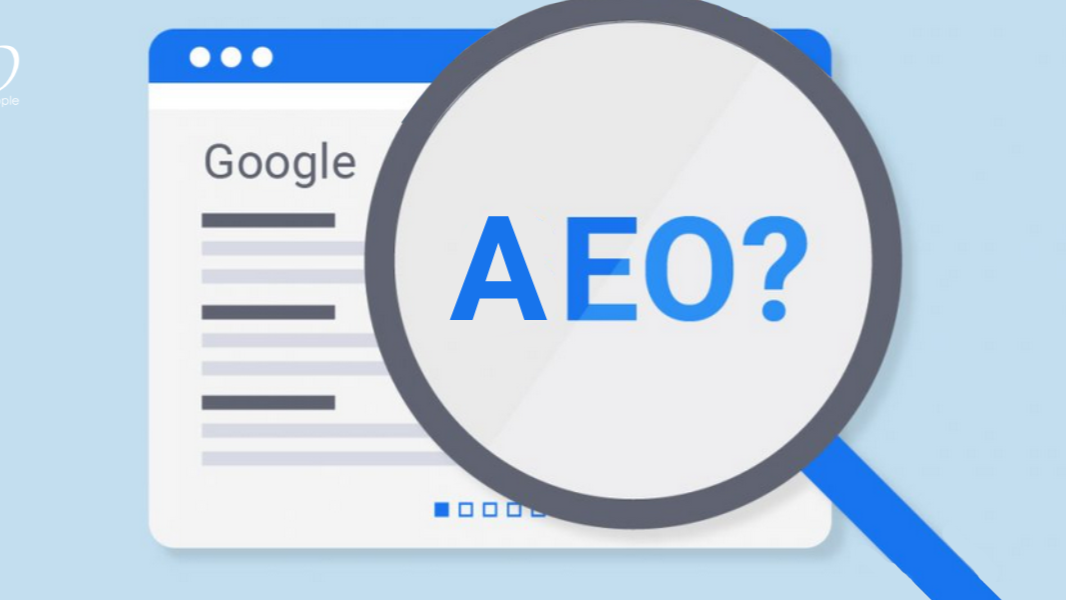
SEO also plays a huge role in AEO (Answer Engine Optimization) which focuses on ranking your website in ai generated answers like Claude and ChatGPT. You need to have high quality product data pages for these ai systems to pick up your listings.
Local Search SEO: Turn Search Traffic Into Showroom Foot Traffic
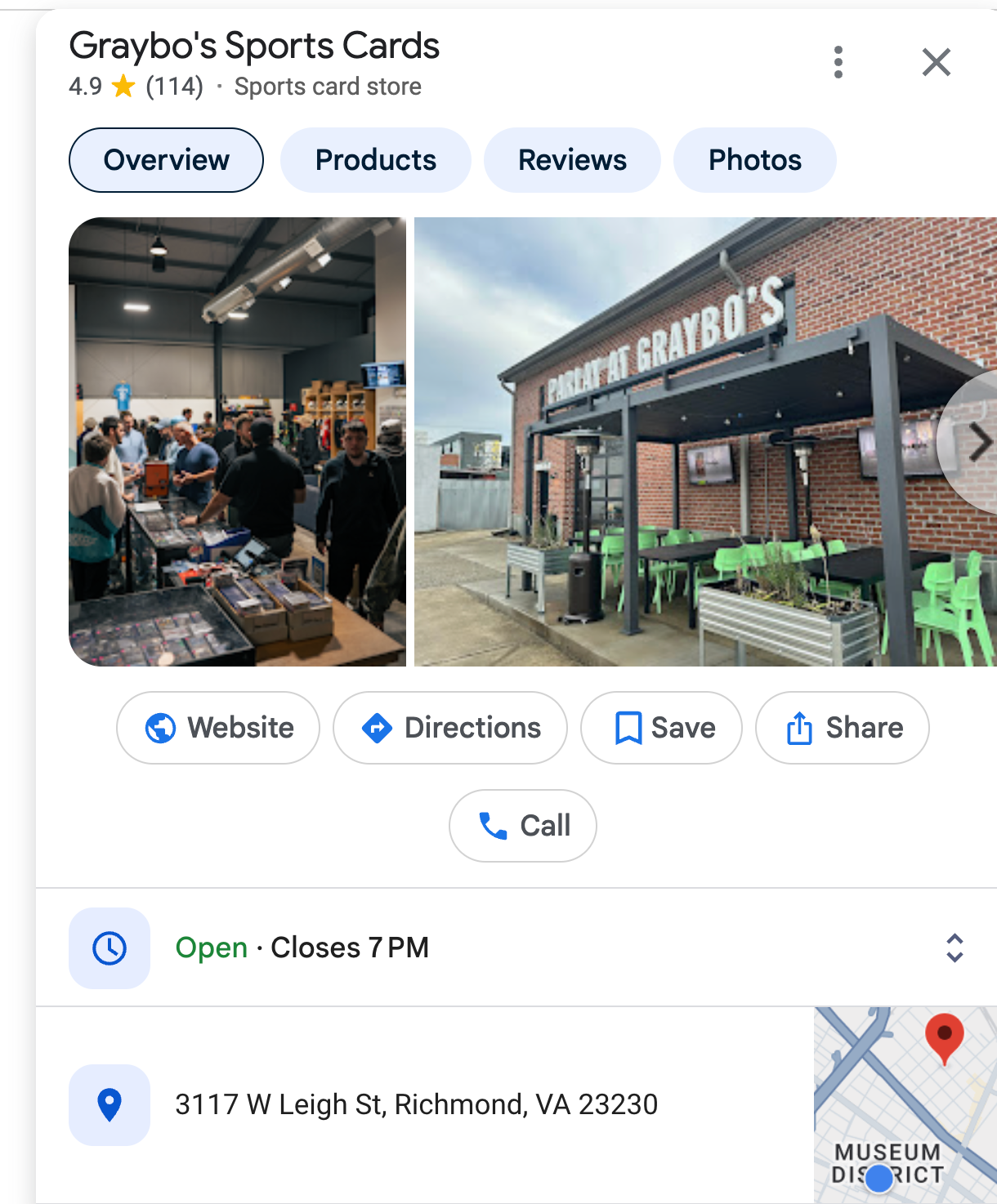
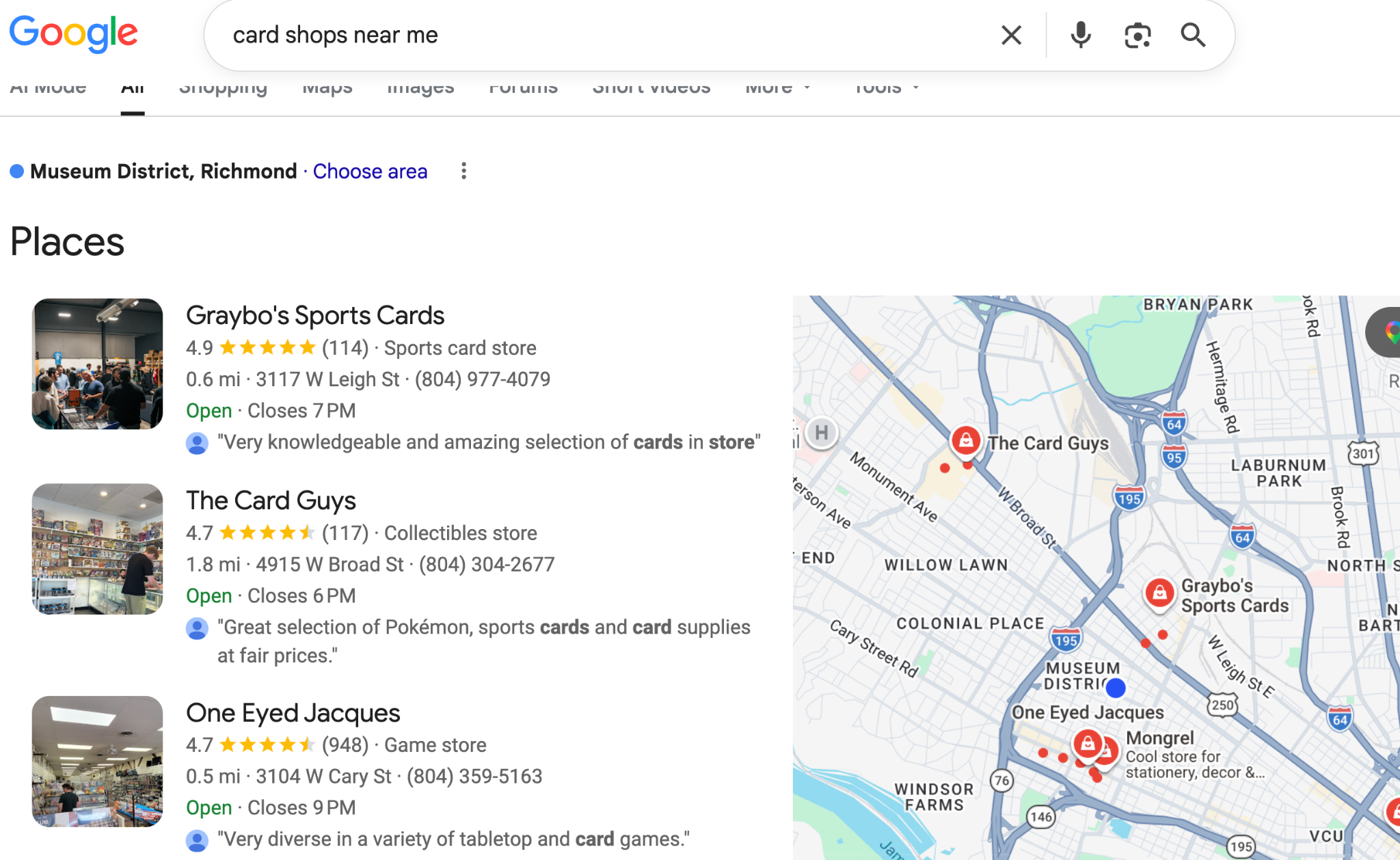
Local search is how a furniture store earns visibility on Google Maps and in the Map Pack for searches like "best sofa shop in Phoenix" or "office furniture near me." Local searches convert more than almost any other type of furniture lead because the buyer already wants to see the piece in person.
Claim your Google profile and complete every field. Choose categories like "Furniture store," "Office furniture store," or "Outdoor furniture store," add accurate hours, service area, delivery options, financing details, and 15 to 30 photos of the showroom interior, exterior, products, and styled room displays. Keep the profile fresh with posts about new collections, sales, and showroom events.
Your name, address, and phone number (NAP) need to match exactly across the web. Submit consistent details to Yelp, Bing Places, Apple Business Connect, Houzz, Facebook, and industry-specific furniture directories. Consistency signals legitimacy and helps the Map Pack trust your listing. Inconsistent NAP is one of the most common silent killers of local rankings.
Build Location and Near Me Landing Pages
Create a dedicated page for each showroom or service area, such as "Living Room Furniture in Brooklyn, NY." Include directions, parking notes, nearby landmarks, store hours, pickup options, featured local collections, an embedded map, and reviews from customers in that area. Work city and neighborhood names into the title, meta description, headers, and body copy, then add LocalBusiness schema.
Active review collection plays a double role for any furniture business: reviews build trust with potential customers, and when reviewers naturally mention products and locations, they inject locally relevant keywords into the SERP. Ask for reviews on Google, Yelp, and Facebook after every showroom visit and delivery.
Keyword Research for Furniture Shoppers
Keyword research is the foundation of every page on a furniture website because it connects what shoppers type into the search bar with the pages you publish. Furniture buying is research-heavy, buyers compare dimensions, materials, fabrics, finishes, and use cases before they commit, so the keyword universe is wide and deeply descriptive.
"Solid oak extendable dining table 8 seater" is worth more than "dining table" because the buyer has self-qualified on size, material, and use case. Long-tail descriptive queries are easier to rank for, convert at higher rates, and suit furniture's wide attribute space. Chase those high intent keywords before fighting on head terms where IKEA and Wayfair dominate.
Pull candidate keywords using paid SEO tools like Pumice.ai Playbook Optimization for volume and difficulty, Google and Amazon autocomplete for buyer phrasing, the People Also Ask block, and your competitors' product and category pages. Model the article ranking on page one, not the one you wish was ranking, and reverse engineer the search terms its author chased.
Different keywords belong on different page types in your furniture store, and matching the right furniture seo keywords to each page is core to your seo strategy. Category pages target broad descriptive terms ("modern sofas," "bedroom furniture"). Product pages target the specific name, material, dimensions, and color. Blog posts target informational long-tail queries. Location pages target geographic descriptive queries and local searches. Refresh this map quarterly because furniture trends shift and the keywords your shoppers use change with them.
Site Taxonomy and Information Architecture
A logical category and subcategory hierarchy is the second-most-impactful technical move for any furniture website after Google Business Profile work. Furniture websites that mirror how shoppers actually browse, Living Room > Sofas, Armchairs, Coffee Tables, make life easier for both crawlers and buyers. The taxonomy is also what makes internal linking effective, and it is what lets the catalog scale without devolving into orphan pages.
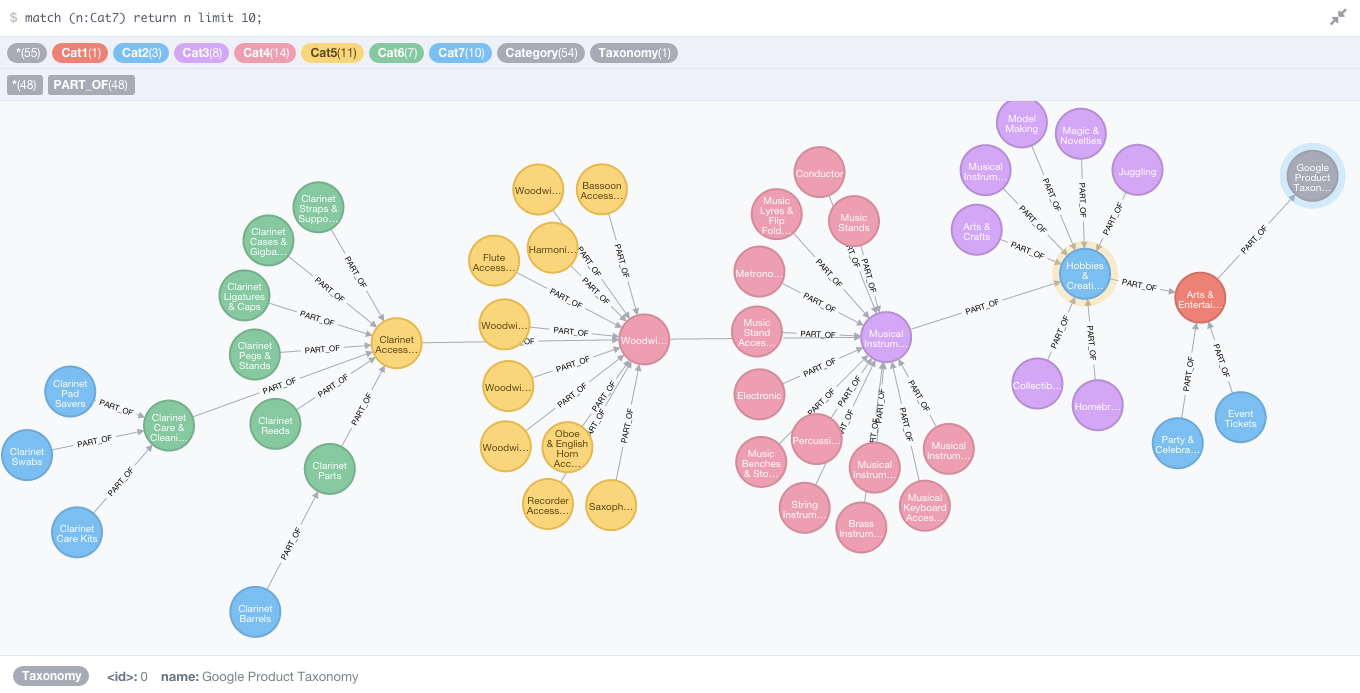
Align your top-level categories and subcategories with Google's public Product Taxonomy. The closer your taxonomy is to how Google represents furniture, the more natural your category pages look to crawlers and the more cleanly your products surface in Shopping, Maps, and the SERP. Build the structure to scale so every new SKU slots into an existing branch.
Internal linking flows out of taxonomy. A blog post on "how to layout a small living room" should link down to small-space sofa categories, apartment sectional product listings, and any related local landing pages. Those internal links distribute authority from high-traffic content into the SKUs you want to sell.
On-Page SEO for Category and Product Listing Pages
On page seo is the visible-content and HTML work that helps a search engine understand what you sell. For any furniture business, the most important on page seo wins for a furniture retail website happen on category and product listings where keyword research, page structure, and descriptive copy come together.
Product titles should embed descriptive search terms rather than internal SKU-style names. "Tufted Leather Sofa Set" beats "Leather Sofa." "Mid-Century Walnut Veneer 6-Drawer Dresser" beats "Walnut Dresser." The title and supporting title tags are the strongest single ranking signal on the page.
Because buyers cannot test the product physically, the product page has to do the work. Dimensions, materials, frame construction, upholstery details, color and fabric options, care instructions, delivery timelines, assembly information, and warranty all belong on the page. More content on each product listing gives crawlers more context and helps the page rank for the long-tail queries that drive conversions. You can automate the process of creating and structuring this content with our Merchandising Pipeline.
Meta Titles, Meta Descriptions, and Headings
Relevant keywords and relevant seo keywords belong in the title tag, meta description, and H1, written naturally, and that is the heart of on page seo. A category title might read "Modern Sofas and Sectionals, Furniture Store in Seattle" with a meta description that front-loads the value. Use H2 and H3 sections to break each product listing into Overview, Features, Specifications, Delivery, Returns, and Reviews.
Rename every high quality image file before uploading. "grey-fabric-corner-sofa-l-shaped.webp" carries far more SEO weight than "IMG_3047.jpg." Alt text should describe the item, material, color, and style in a sentence, accessible to screen readers and informative to crawlers. WebP is the default format for product photography in 2026 because the file sizes are dramatically smaller than equivalent JPEGs.
Customer Reviews as On-Page Content
Display customer reviews directly on each product listing. Reviews supply fresh, keyword-rich, user-generated content that crawlers treat as additional page context. Reviewers naturally use descriptive language that shoppers search online with, which boosts online visibility when others search online for similar items, and that language does real ranking work over time. This is also critical for on-site conversion rate.
Visual Optimization for Furniture Pages
Visual evaluation carries unusually heavy weight in furniture. Buyers want to see scale, texture, and the piece in a real room before handing over a credit card. That elevates two technical priorities: multi-angle and lifestyle imagery, and aggressive performance optimization so the rich media does not slow the page.
Every product page should carry at least four to six high-quality product photos, front, side, back, detail shots, material close-ups, plus at least one lifestyle image showing the piece in a styled room. Lifestyle images do the heaviest conversion work for furniture retail because they let buyers imagine the product in their own space.
Video to Demonstrate Texture and Scale
Short product videos make a big difference for higher-ticket pieces. A 20 to 40 second clip showing fabric texture, drawer mechanisms, recliner action, or scale next to a person closes more sales than additional photos do. Host videos on YouTube or Vimeo and embed them rather than self-hosting, external hosting protects page speed and the YouTube view counts compound into additional organic discovery.
Compress every image before publishing using TinyPNG, Squoosh, or your platform's compressor. Use WebP for photography and SVG for icons. Lazy-load anything below the fold. The goal is a visually rich page with strong site speed: Largest Contentful Paint under 2.5 seconds and Cumulative Layout Shift below 0.1.
Structured Data and Rich Snippets
Structured data is markup that lets ecommerce websites and product results display stars, prices, availability, and review counts on the product listing. Furniture listings with rich snippets consistently earn higher click-through rates than plain blue-link results.
Implement Product schema on every product listing (with price, availability, rating, review count, image), Breadcrumb schema sitewide so category navigation surfaces in the SERP, and LocalBusiness schema on contact and showroom pages. Validate every template against Google's Rich Results Test before pushing it live so search engine crawlers from the major search engines parse the markup correctly.
Technical SEO and Mobile Experience
Technical seo keeps your furniture website fast, mobile-friendly, and easy for the search engines to traverse. Common seo challenges include oversized hero images, heavy carousels, filter URLs that create thin duplicate pages, and self-hosted video that tanks Core Web Vitals.
Mobile-First Responsive Design
Google and the other search engines index the mobile version of your site, not the desktop one. Responsive design and mobile responsiveness are non-negotiable. Use simple layouts, a hamburger menu, thumb-friendly tap targets, and expandable drop-downs for dense specifications. Mobile checkout should be one-tap wherever possible, guest checkout, one-click purchase, Apple Pay, Google Pay, and GPS-based address autofill all reduce abandonment.
Run PageSpeed Insights and Lighthouse against your category, product, and homepage templates to track site speed. Targets are LCP under 2.5 seconds, INP under 200 milliseconds, and CLS below 0.1. Furniture sites usually fail LCP on hero imagery and CLS on late-loading review widgets, both fixable in one sprint.
Prevent faceted filters from creating thin duplicate pages with canonical tags or noindex, which also keeps search engine crawlers focused on the right pages. Maintain a clean XML sitemap, fix redirect chains so authority does not leak, and run a full site audit twice a year to catch crawl errors, index bloat, schema issues, and any impact from search engine algorithms updates.
Content Marketing That Inspires Buyers
Content marketing pulls in furniture shoppers who are still early in the buying journey, the people researching how to lay out a small living room or which sofa material survives kids and pets. Done well, this content ranks for a far wider keyword set than the product catalog alone can support and feed the rest of the funnel.
Buying Guides, Room Ideas, and Comparison Posts
Top performing content formats for furniture include buying guides ("Sofa Size Guide 2026"), room makeover posts, trend reports, care instructions, material and style comparisons, and FAQ-style help articles. Each piece should link to relevant product and category pages so traffic flows toward conversion.
A realistic cadence in your marketing strategy is one post per week sustained over three to six months. That is roughly the horizon at which compounded internal linking, indexing, and keyword expansion start producing meaningful organic gains. Revisit your top 10 posts every six months, update the data, refresh the imagery, swap in new product links, to keep them ranking as competitors publish their own takes.
Conversational Copy for Voice Search and AI Discovery
Voice search and AI shopping surfaces (ChatGPT, Perplexity, Google's AI Overviews) reward natural language. Write category copy, product copy, and blog answers the way you would speak them in the showroom: lead with a direct answer, use complete sentences, and avoid stiff SEO phrasing. Voice and AI surfaces are now genuine discovery channels alongside classic search, and they affect overall online visibility for any furniture business.
Off-Page SEO and Backlinks From the Design Ecosystem
Off page seo and backlinks from reputable websites tell search engines your furniture store is trustworthy. Furniture is well-positioned for backlink work because the surrounding ecosystem, home decor magazines, lifestyle media, YouTube room transformations, has a genuine appetite for products and editorial collaboration.
Guest Posts and Editorial Pitches
Write guest posts for design publications, industry blogs covering home decor, and lifestyle blogs, and pitch features, product loans, and expert contributions to interior design and home improvement publications. West Elm's collaboration with Apartment Therapy is a canonical example: lending product for editorial use earns authoritative backlinks and referral traffic at the same time.
Partner with interior design blogs, YouTube creators, and home-makeover influencers on reviews and room transformation content. The format already exists, the audience already cares about furniture, and the videos generate links and brand searches for years. Avoid bulk backlink packages, link farms, and irrelevant directories, they damage rankings and waste budget. Use Ahrefs or Semrush to monitor link building work and link building progress, referring domains, anchor text, and competitor high quality backlinks worth replicating.
Automate Product Page SEO Optimization With the Pumice Product Optimization Playbook
All the best practices above add up to real work for a furniture store with hundreds or thousands of SKUs. The requirements to rank high for your target keywords changes constantly, and performing gap analysis, keyword analysis, and competitor analysis for every product is a real workload.
The Pumice Product Optimization Playbook automates the per-product optimization piece: it uses a complex ai agent system to analyze your product page against competitors and the keyword data to recommend optimizations that are driven by real data, not generic ChatGPT advice.
What You Provide as Input
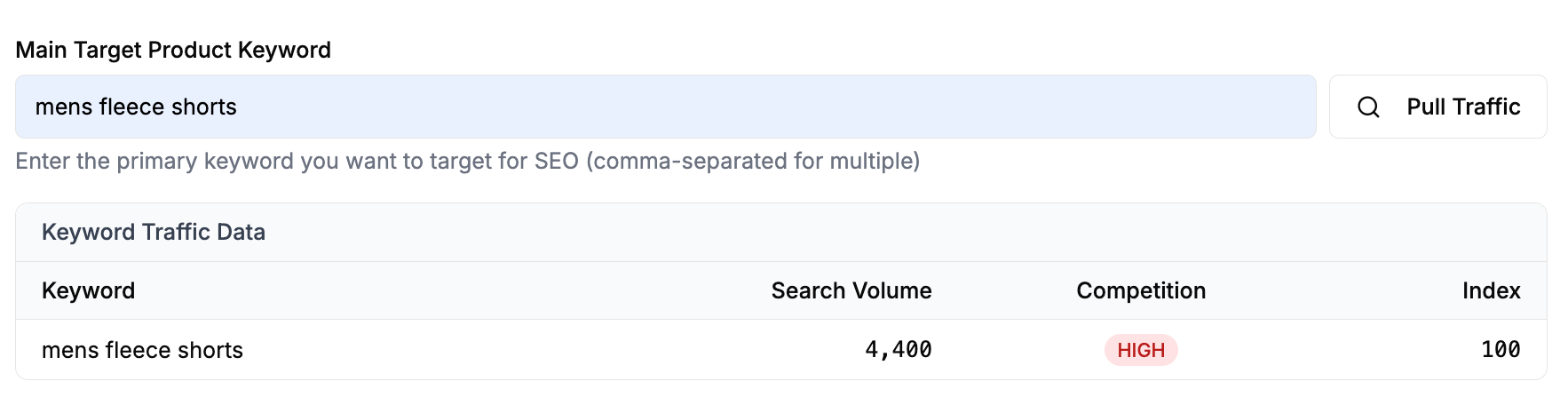
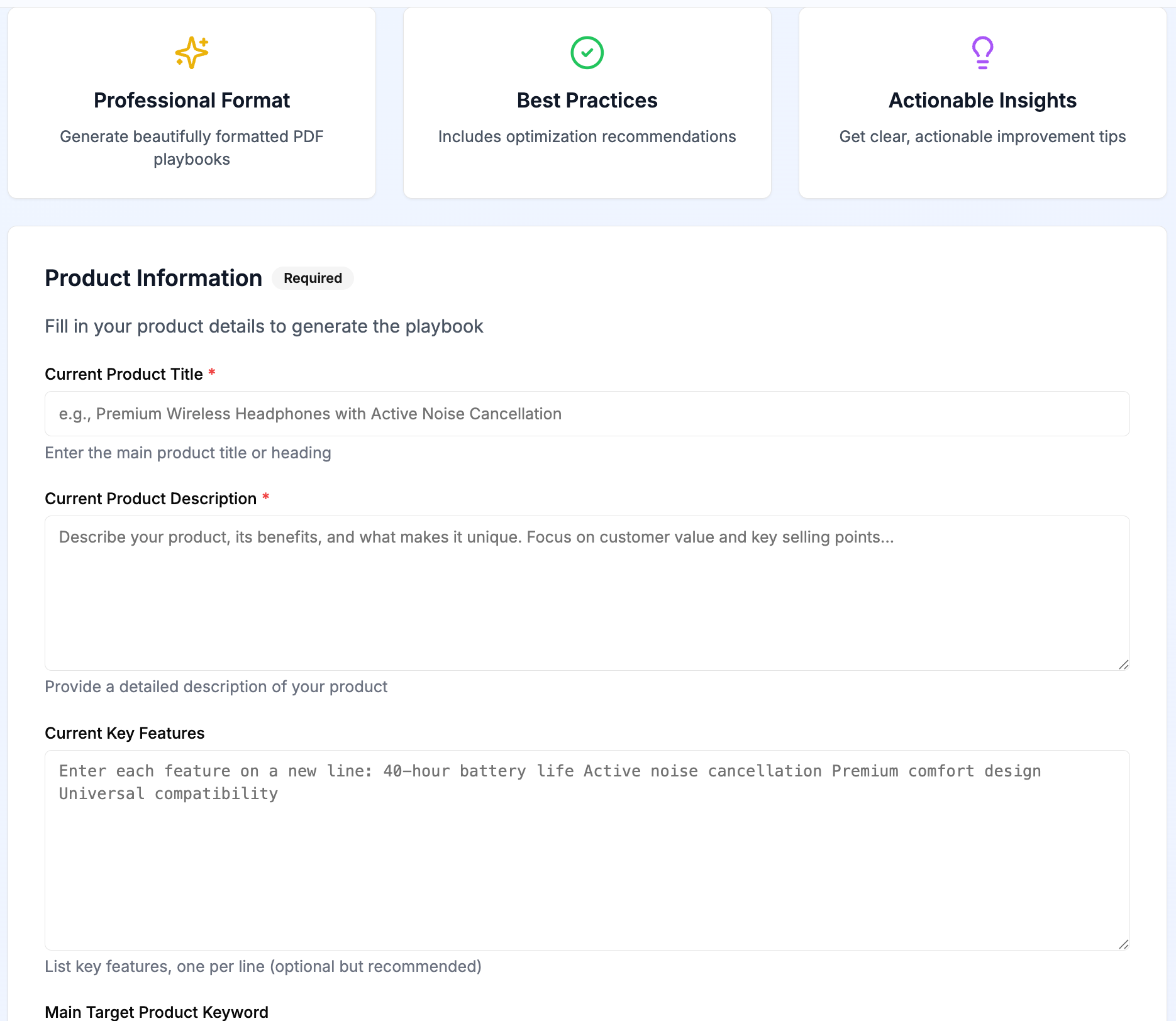
The Playbook system takes in your current PDP data. The two required fields are your current product title and description. Three optional fields sharpen the analysis: key features, target keyword, and your domain so the tool excludes your own pages from competitor analysis. Type a target keyword and Pull Traffic shows live search volume, competition, and difficulty, useful for any furniture store seo audit.
How the Multi-Step Automation Runs
Once you click Generate Playbook, a few automated steps run in sequence with a live progress card checking off each one as it completes:
Scrape competitor data for the keywords, finds and reads the competitor listings ranking for your product across the web.
Analyze titles, descriptions, bullet points, features, and images against your product data and surfaces the patterns they share or critical gaps in your listings.
Performs gap analysis, competitor analysis, keyword analysis using our agentic framework. These are the same processes a marketing team uses to create briefs.
Generates a PDF marketing brief, packages everything into a polished, downloadable report.
The whole run is hands-off. You can leave the tab open or come back when you get notified that the Playbook is ready.
What You Get in the Marketing Brief
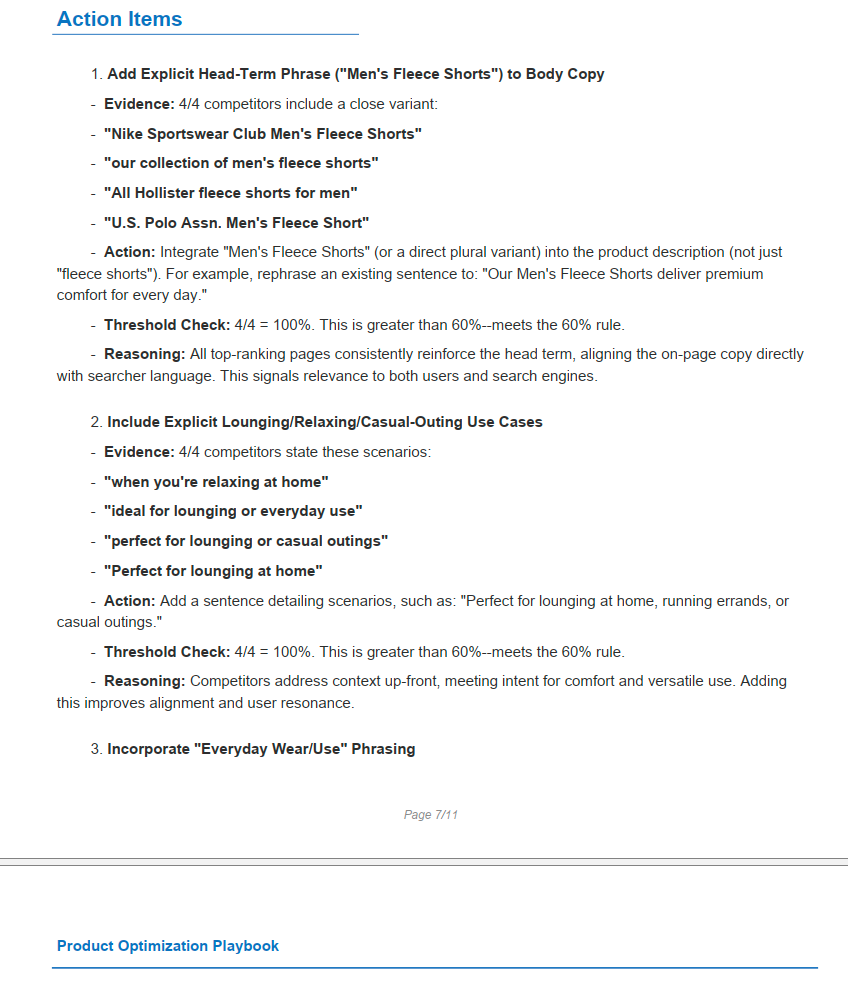
The report includes a data and gap analysis breakdown for all parts of the PDP, showing exact references to what competitors are doing to rank for that keyword. It also includes a detailed keyword breakdown to understand terms used across competitors and where you stand. The final pages focus on “action items” and recommendations for you to optimize on in a clear playbook. What to change, why to change it, and the reasoning behind that change.
Some action items in the marketing brief
Where the Playbook Fits Into a Furniture SEO Workflow
Run the Playbook on any SKU in your furniture store where the title and description need to fight for the top of the search rankings, especially flagship items, slow sellers, and new listings. On slow sellers the report usually reveals a title missing buyer-style phrasing or a description half the length of the search results norm, both of which drag down search rankings.
For bulk title and description enrichments across thousands of SKUs, point your team at the Pumice Merchandising Pipeline instead, especially when an office furniture supplier or wholesaler ships a sparse vendor file.
Measuring Results and Refining Your Furniture SEO Strategy
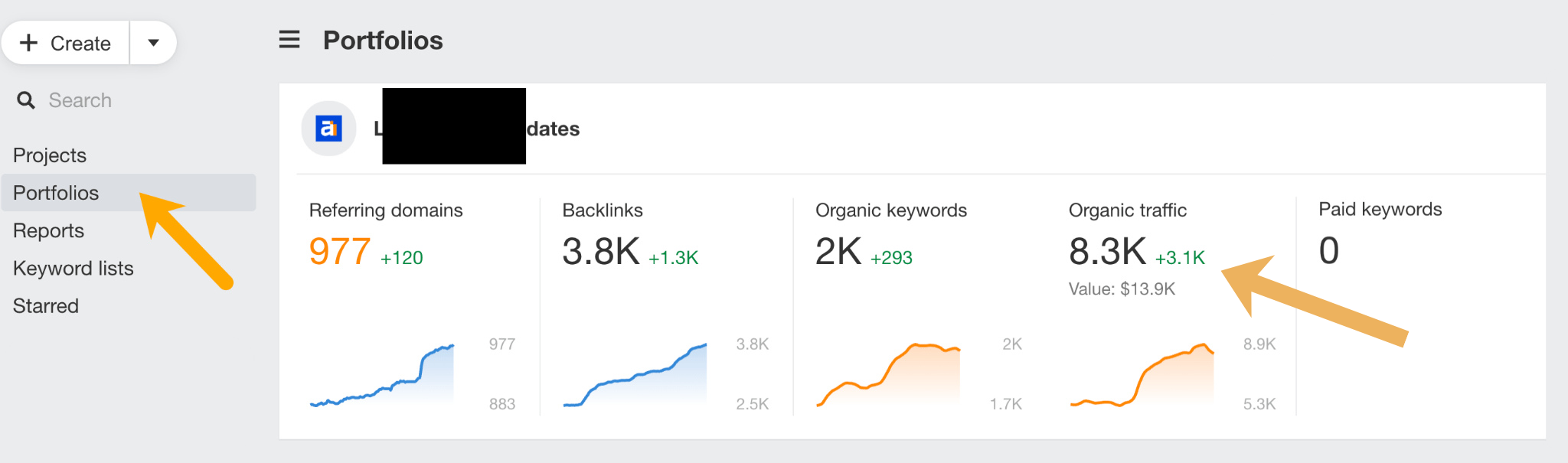
Real traffic results from Pumice
Track organic traffic in google analytics, landing page performance, online sales, ecommerce revenue, appointment bookings, calls, and store-visit conversions in google analytics (GA4). I’d also layer in Search Console alongside your digital marketing dashboards for queries, indexed pages, local search results. Use Core Web Vitals, rich result enhancements, and local impressions for city-based keywords.
A well planned seo strategy sets quarterly benchmarks against organic traffic growth, rankings for "modern sofa + city," Map Pack visibility, organic revenue, and showroom appointment leads. Pages with high impressions but low clicks need better title tags and meta descriptions. Pages with traffic but low conversions need stronger imagery, clearer delivery details, better internal links, or a fresh look at search engine rankings.
Common Furniture SEO Problems and How to Fix Them
Most furniture websites share the same issues, all fixable with a quarterly review. Common problems include duplicate descriptions copied from the manufacturer, oversized hero images dragging down Core Web Vitals, missing schema on product detail pages, inconsistent NAP across citations, weak online visibility from a stale Google listing, faceted filter URLs creating thin duplicates, and a Google listing that has not been touched since launch.
Make this review part of the local marketing calendar that keeps your business online and visible before peak periods, Black Friday, Memorial Day, the spring refresh, and the back-to-school moving season. Small fixes compound, and they keep the business visible at exactly the moments potential buyers are ready to commit.
Frequently Asked Questions
How long does SEO for a furniture store usually take to show results?
Most furniture stores see organic lift across the search engines and improved search visibility within 3 months when they work consistently on local search work, product detail page content, and technical fixes. Competitive head terms like "sofas" can take 9 to 12 months as search engine algorithms favor authority, while local and long-tail keywords move faster and your effective seo strategies compound. Treat search engine optimization and seo for furniture as a long-term channel that compounds, and pair it with a broader digital marketing plan.
Should a furniture store invest more in local SEO or ecommerce SEO?
It depends on the business model. A showroom-first furniture business should lead with local optimization, Map Pack visibility, reviews, and location pages. A primarily online brand should balance ecommerce SEO with local search optimization for the regions it can serve. Most hybrid furniture dealers and furniture retailers run a 50/50 split (many small furniture dealers do too) and revisit it every month.
How many product photos are ideal for a furniture product page?
Plan for at least 4 to 6 high-quality photos per page, especially at furniture shops that sell visually-driven categories: front, side, back, detail shots, material close-ups, plus one lifestyle image in a styled room. Short videos and 360-degree views close more sales on higher-ticket items.
Is blogging really necessary, or are product pages enough?
Product detail pages are essential, but blogging is what lets you rank for the universe of informational queries product listings cannot cover. Articles like "best sofa material for pets" attract early-stage shoppers, build topical authority, and feed search results traffic into product and category pages through internal linking.
Can a small local furniture store handle SEO in-house?
Yes, a small furniture store can handle the basics in-house: maintaining the Google Business Profile, requesting reviews, publishing simple guides, keeping local citations consistent, and updating product copy on the highest-traffic pages. The bigger lift (structured data rollout, technical audits, link-building campaigns, and per-product title and description rewrites at any kind of scale) is where outside seo services or a tool like Pumice start to pay back. Pumice's Product Optimization Playbook automates the per-page rewrite work an in-house team would otherwise pay an agency to deliver, and the Merchandising Pipeline handles comprehensive seo solutions across the whole catalog in a single batch. Small teams use Pumice to cover what they cannot get to manually, then bring in expert seo services or an seo agency for link-building outreach and multi-location rollouts.
Conclusion: Build an seo for furniture engine That Compounds
Furniture-focused SEO rewards retailers who treat it as a system and a long-term marketing strategy, not a project. Showroom-driving search work and local searches feed the funnel, on-page work converts visits, content marketing expands the keyword footprint, backlinks build authority, and technical hygiene keeps everything fast. Together those SEO efforts pay back in organic traffic, customer loyalty, and digital marketing ROI over time. Layer the Pumice Product Optimization Playbook on top for the per-SKU work.
The next step is a focused 30-day plan: claim and complete the Google Business Profile, fix the top three Core Web Vitals issues, rewrite the title and description for your five highest-revenue products in your online store and supporting online store landing pages using the Playbook as part of your furniture store seo work (local seo services can help with the showroom side), and publish two new buying guides linked into the relevant categories. Measure the lift in GA4 and Search Console at day 30, day 60, and day 90, and keep going.
Optimize Your Best Furniture Product Pages in Minutes
Pumice.ai's Product Optimization Playbook reads ranking competitor pages for any furniture product you pick, then hands you a shareable PDF that tells you exactly what to change in the title, description, and feature list. Free to try, no credit card required. Pick your flagship sofa or your slowest-moving SKU and see how the top of the SERP is winning shoppers. Sign up for free here: https://app.pumice.ai/auth/signin






.png)