SEO for distributors comes down to one thing: get more B2B buyers to your product listings with content so complete it converts better than every other reseller carrying the same SKUs. The work is half traffic and half completeness:
Traffic is the search engine optimization piece, ranking for the right keywords and the specific buyer queries that lead to qualified leads, quality leads, more leads, quote requests, and direct phone calls. This traffic can come from content marketing, ranked product pages, local business listings, and quality blogging.
Completeness is what makes those buyers convert when they land. Distributors sit in an unusual spot in the supply chain. They sell technical products to qualified buyers, decision makers, suppliers' partners, and procurement teams, they usually carry catalogs supplied by the manufacturers and suppliers they represent, including direct suppliers,, and their conversion event is almost never a one-click checkout. It is a phone call, an RFQ form, or a regional showroom visit.
This guide pulls together the nine seo strategies and digital strategies practice areas that move the needle for distributors, suppliers, and OEM sellers in 2026: B2B keyword research, on-page optimization of manufacturer copy, better website structure for conversion rate optimization, content marketing, local and territorial coverage, technical SEO, visual content, conversion tracking, and ongoing measurement. Then we show how to automate the product listing optimization piece of the process with Pumice using two complementary ai workflows: the Product Page Optimization Playbook and the Merchandising Pipeline.
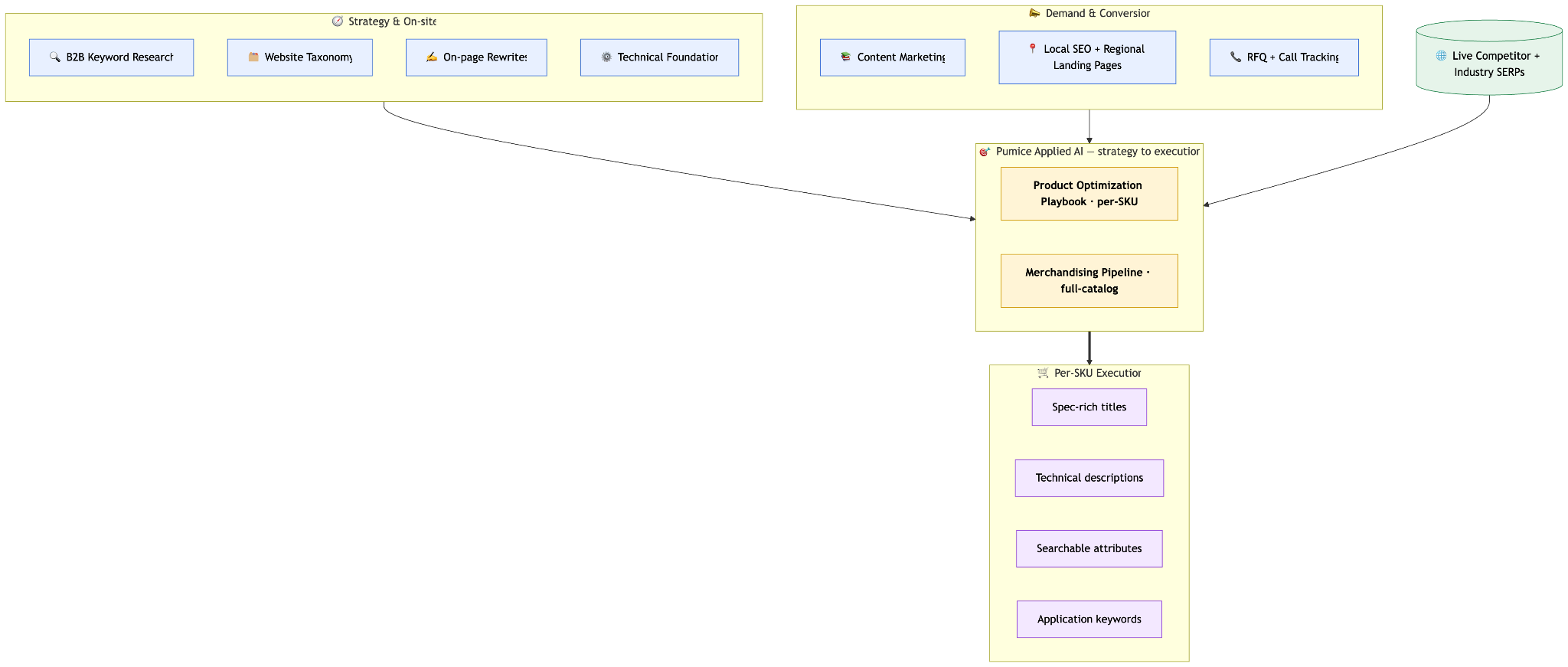
Distributor SEO stack: B2B keyword research, on-page rewrites, website taxonomy, content marketing, local SEO with regional landing pages, technical foundation, RFQ and call tracking, and the Pumice Playbook plus Merchandising Pipeline for per-SKU and full-catalog work.
Focus Areas for This Guide
This is what the guide will focus on:
The highest-priority lever in seo for distributors is complete, enriched product listings. SEO brings qualified buyers to the product pages. Completeness is what makes them convert instead of bouncing to a competitor selling the same product.
SEO for distributors wins on long-tail, intent-loaded B2B queries: "24V industrial relay supplier," "food service stainless prep tables wholesale," or "electrical distributor near me."
Duplicate manufacturer-supplied product copy is the single biggest distributor SEO problem. Original product content is a differentiation requirement, not a nice to have.
Local and territorial SEO is very valuable for selling large b2b products. Distributors with regional obligations need dedicated location pages, consistent NAP citations, and reviews.
RFQs, leads, and phone calls are usually the conversion event, not online checkout. Phone calls reportedly convert 10x to 12x better than form fills for B2B distribution.
Ai strategies to automate the per-product website piece at catalog scale: the Merchandising Pipeline enriches manufacturer copy at scale, the Product Page Optimization Playbook turns flagship SKUs into SERP winners.
Why SEO for Distributors Is Different in 2026
Distributor website SEO is a very different digital marketing discipline from generic ecommerce SEO. The buyer is technical, the catalog is huge and spec heavy, the content usually comes from a manufacturer/vendor, and the conversion is a relationship, not a transaction. That mix shapes every recommendation and the seo strategies for any distributor business in this guide.
B2B distribution buyers, customers, and other distributor customers run long, considered cycles. Gartner research shows B2B buyers spend only 17% of their total buying time in direct contact with potential vendors, meaning roughly 80% of the journey is self-directed.That means your pages need to do the educating, the comparing, and the qualifying long before a salesperson gets involved. Strong content completeness has to support every stage of the cycle, not just bottom-of-funnel transactional queries or paid advertising lead-gen pages.
Complete Product Listings Are the Highest-Priority Lever
If a distributor only does one thing for improving search rankings, it should be making product listings complete. SEO drives qualified buyers to the URL, and completeness is what makes them stay, convert, and submit an RFQ instead of bouncing to a competitor publishing the same sparse manufacturer feed. The two compound at the listing level. Deeper, more complete listings rank for more long-tail buyer queries, and the buyers those queries deliver are exactly the ones a complete listing converts.
The Duplicate Manufacturer Content Problem
Distributors and wholesale suppliers typically carry product catalogs supplied by the manufacturers/vendors they represent. Every other distributor carrying the same SKUs publishes the same copy verbatim. Search engines reward unique and complete digital content, so any distributor business running manufacturer copy unchanged is at a structural disadvantage in the major search engines. The fix is to ensure your content is as complete as possible - ask yourself: is the content on my product pages really any better than the competitors?
B2B Keyword Research for Distributor Buyers
Keyword research is the foundation of distributor SEO because it connects buyer language to the URLs you actually publish. B2B buyers search differently than consumers. The keywords universe is dense, descriptive, and full of model numbers, domain specific terms, and manufacturer naming conventions.
Intent-Driven Keyword Selection
Start with buyer intent, not search volume. Spec heavy buyers (the target audience for this kind of SEO) are usually researching with intent to specify, compare, or quote, which means the right keywords often have lower raw volume but much higher commercial value. Tools like Google Keyword Planner, Ahrefs, SEMrush, and Google Search Console will surface candidates. The job is to filter for the keywords your real buyers actually use, not the ones that look impressive in a tool but never get pulled by the search engines.
Long-Tail Descriptive Queries for Considered Purchases
"24V 10A industrial relay DIN rail mount" beats "industrial relay." Long-tail descriptive keywords are easier to rank for and these specific keywords convert better, convert at higher rates, and match the multi-attribute nature of B2B distribution. Most of the conversion volume in a distributors' catalog comes from queries with three or more qualifying keywords used by potential buyers and qualified potential buyers.
Mapping Keywords to the B2B Buying Journey
Different keywords are key elements that belong on different pages and stages. Top-of-funnel educational queries ("how to size a 3-phase motor starter") belong on blog content. Mid-funnel comparison queries belong on category and buying guide pages. Bottom-funnel transactional queries ("buy [exact model number]") belong on product detail pages with RFQ buttons and call links. A keyword map and a clear keyword strategy keep each piece working for its stage, and the major search engines reward that mapping with higher relevance scores.
On-Page SEO for Distributor Product Pages
On-page SEO is where the completeness thesis lives. Every signal below moves a product listing toward the depth that ranks for more long-tail B2B queries and converts the buyers those queries deliver. For distributors, the most important on-page wins happen on product listings, where the manufacturer copy problem lives and where the RFQ conversion happens.
Enriching Sparse Manufacturer-Supplied Copy
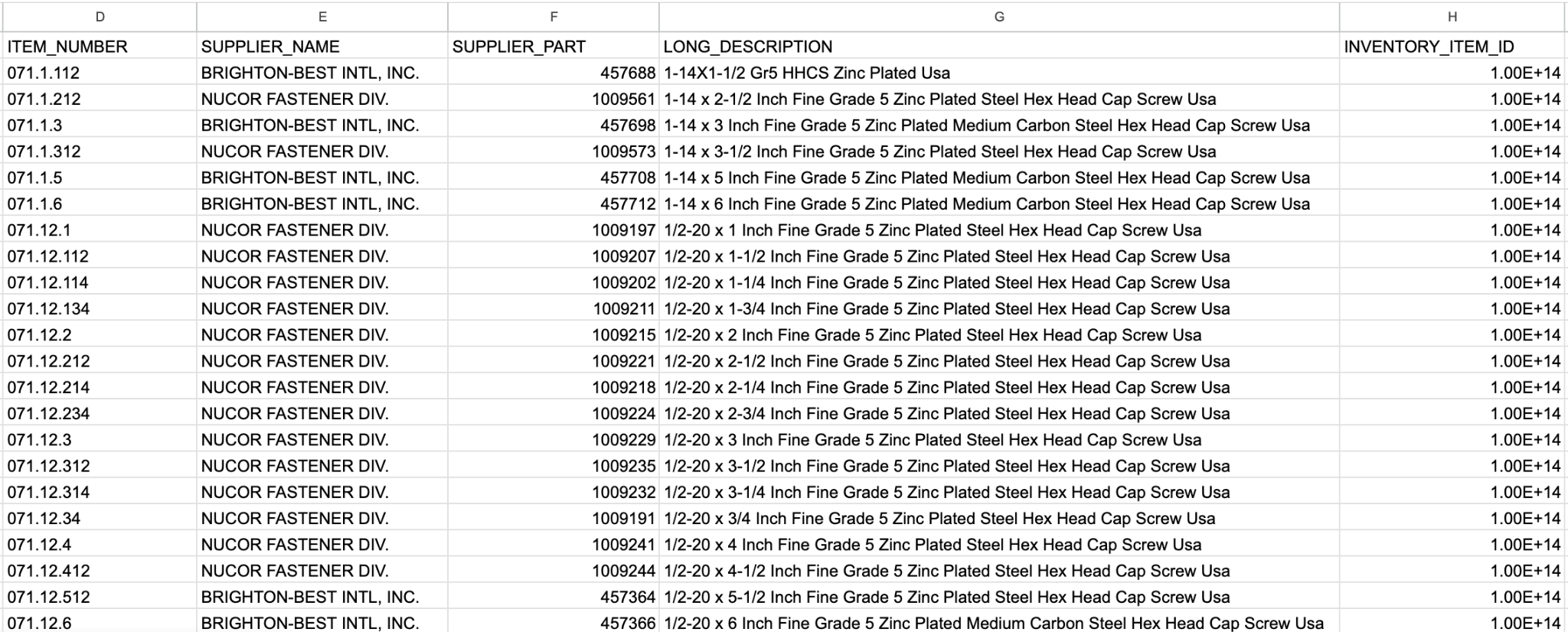
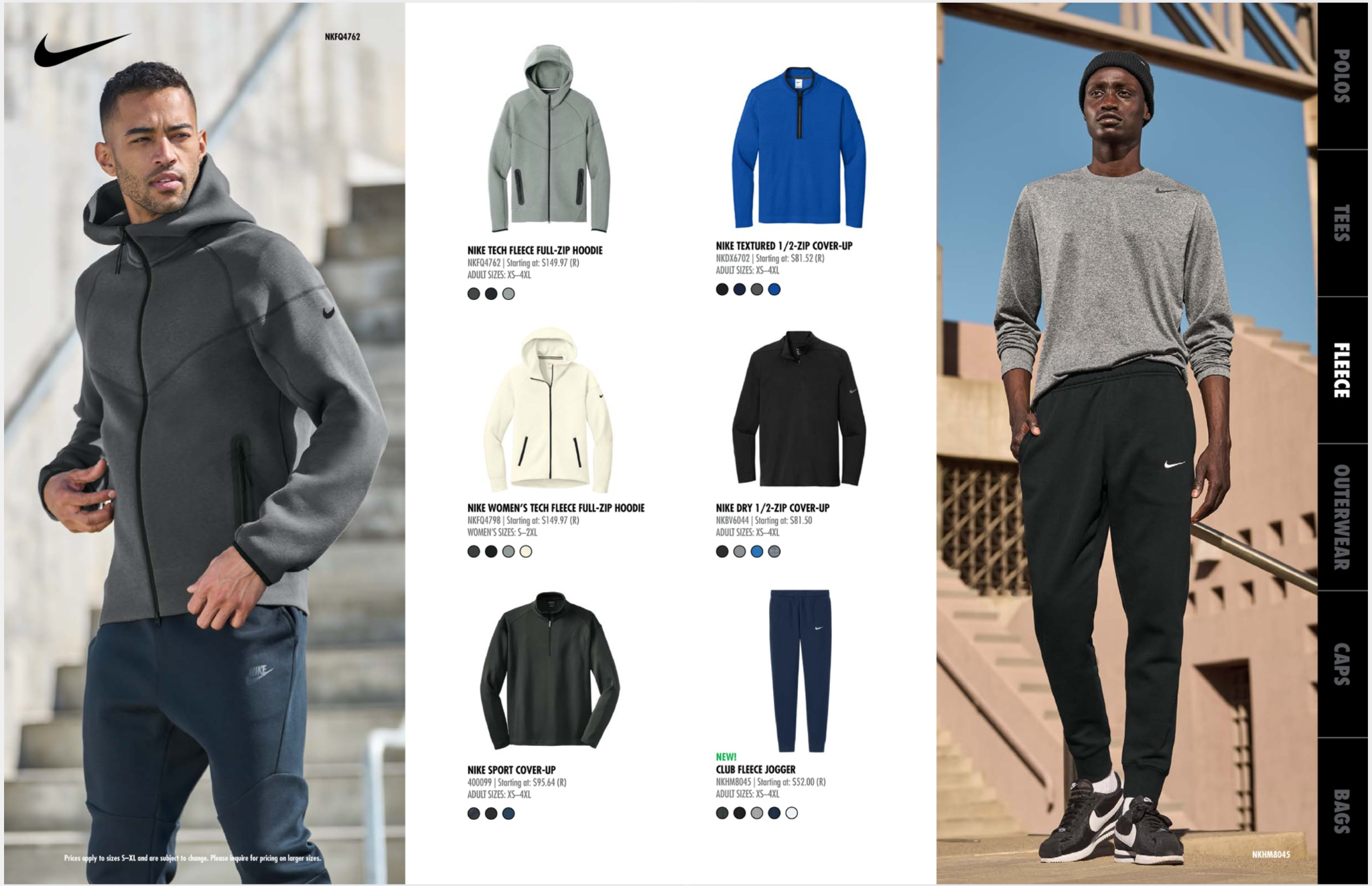
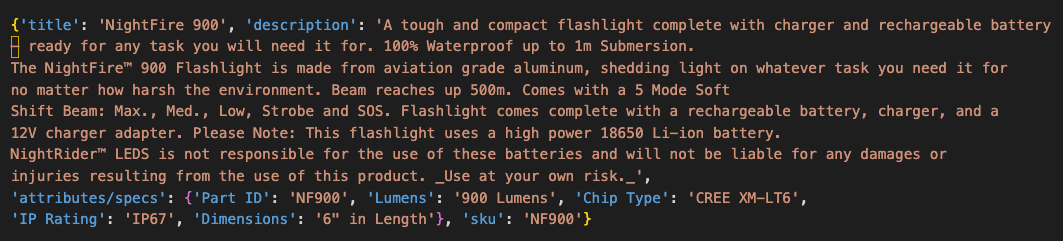
Look familiar? A flat file with short fields - not at all ready for a real product data page
Most manufacturers ship sparse, incomplete product data to the distributors in the form of flat files. Short titles, simple ERP descriptions, missing specs, no Q&A sections, no product images, and skeletal attribute tables are the norm across vendor flat files. That data does not rank well as-is because search engines reward completeness, depth, and original signal. Most companies use manual teams to take these flat files and enrich them by doing research, reading PDF catalogs, and even making up fields.
The fix is enrichment, not just rewriting. Use the manufacturer's specs and core listing as a grounded starting point, then build on top of it. Extend the title with searchable attributes, fill in missing dimensions and certifications, add real-world application notes for customers, and list compatibility with other SKUs in your catalog.
Build out the rest of the page with what manufacturers almost never include: Q&A entries for the questions engineers and procurement actually ask, original multi-angle product images, installation pointers, and explanations of how the product fits the rest of your offering. An enriched product listing is what separates a distributor that ranks from one that gets buried in duplicate-content filters.
Comprehensive Product Detail for Engineers and Procurement
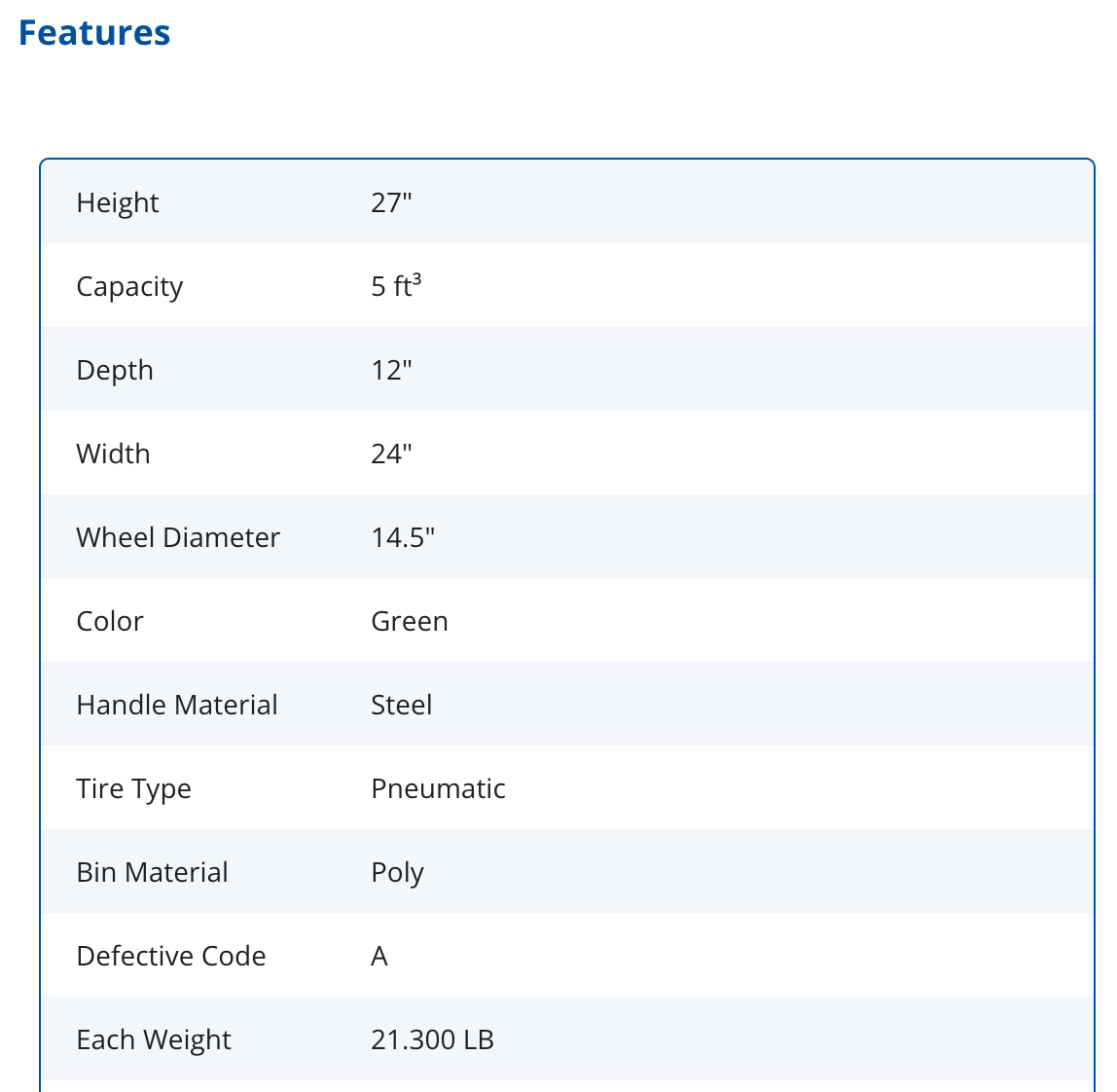
Technical B2B buyers expect depth. Dimensions, materials, voltage ratings, certifications, datasheets, compliance notes, and compatibility lists all belong on the product listing. Buyers need to be able to see these specifications to ensure the product is the exact one they’re looking for.
How could they buy this product without knowing the diameter, width, and depth?
The more seo friendly detail, the more long-tail queries the URL can satisfy, and the more trust the engineer, procurement buyer, or other potential customers extend before making contact.
Keyword Strategy for Target Keywords in Titles, Meta, and Headings
Place the right target keywords, supporting keywords, and related keywords in the title tag, meta description, H1 and supporting keywords below the fold (these are key elements the search engines weight most heavily), and the supporting H2 and H3 structure of the URL. Write them naturally - stuffing hurts both rankings in the search engines and the buyer's read of your professionalism for customers. Use H2 and H3 sections to break product listings into seo friendly chunks like Overview, Specs, Compatibility, Application Notes, Documentation, and RFQ so each chunk surfaces as its own answer for crawlers and buyers.
Be explicit about price visibility, MOQs, shipping policies, and lead times wherever your business model allows. Friction from missing pricing or unclear shipping pushes B2B buyers and potential customers (your potential customers) to competing distributors' websites who answer those questions on the listing. For distributors that hide pricing behind an RFQ, make the RFQ frictionless and the response promise concrete.
Site Structure and Industry-Focused Pages
Site structure is where distributors' catalogs win or lose. A logical category hierarchy, industry-focused landing URLs, and consolidated authority pages all make crawlers (and buyers) navigate the catalog the way the buyer thinks.
Industry and Product-Focused Website Sections
Build dedicated pages for each industry you serve ("Electrical Distribution for Manufacturing Facilities") and each product family ("PLCs and HMIs"). Both should sit in the main navigation as key elements of the site. Industry website pages capture broad market-level searches with seo friendly framing. Product listings capture the spec-level queries. The two link to each other to create topical clusters that compound authority.
Distributor sites often grow into hundreds of thin, near-duplicate category webpages over the years. Merge weak, similar pages into single higher-authority pages on a single topic. One strong page on "24V industrial power supplies" outperforms four thin pages on different voltages or amperage ratings split across the site.
Schema Markup for Product Pages
Implement a Product schema on every product listing (with price, availability, rating, review count, image), Breadcrumb schema sitewide, and Organization or LocalBusiness schema on contact pages. Rich snippet eligibility, which depends entirely on how the search engines read your schema, is one of the highest-ROI technical investments a distributor website can make in a quarter, and validation against Google's Rich Results Test should happen so the search engines parse the markup correctly before any template ships.
Content Marketing That Builds Topical Authority
Content marketing strategies pull B2B buyers in early in the buying journey, builds authority for the brand and builds authority with the search engines for the brand, then keeps the distributor top of mind for those users and the search engines as a thought leader through long evaluation cycles. Done well, content marketing also solves the duplicate-content problem at the catalog-adjacent level: original buying guides, application notes, and case studies cannot be copied from a manufacturer's spec sheet.
Long-Form Buying Guides and FAQs
The highest-performing content formats for distributors include long-form buying guides, application FAQs, comparison posts, case studies, and how-to videos. Aim for in-depth content (1,500+ words on commercial-intent topics). Each piece should link to the relevant product, category, and industry sections so buyers can keep making contact so the seo friendly structure stays intact so traffic flows toward RFQs.
Original Content to Beat the Manufacturer Copy Trap for Distributors
Creating content that is original and helpful content is the most reliable way to beat resellers and protect search engine rankings who publish manufacturer and suppliers copy verbatim. Application notes, installation walkthroughs, certification explainers, troubleshooting guides, and customer case studies are all helpful content from creating content originally that creates unique relevant pages the search engines reward that outrank any reseller running the manufacturer's standard description.
Publishing Cadence for B2B Audiences
A realistic cadence for distributor content is one substantial post every one to two weeks, sustained for at least six months. That is the digital marketing horizon at which compounded internal linking, indexing, and topical authority produce meaningful organic gains in the search results and search engine rankings. To stay ahead of competitors and stay ahead of algorithm shifts, refresh top-performing posts every six months with updated data, new product links, and revised CTAs.
Local SEO and Territorial Coverage
Local SEO plays a critical role for distributors and is foundational, not optional. Most wholesale suppliers, partner suppliers, and distributors operate from a defined territory or set of regional warehouses, and many have contractual obligations from manufacturers and key suppliers from those suppliers that limit where they can sell. Local SEO mechanics map directly onto those territory boundaries.
Google Business Profile for Every Location
Claim and fully complete a Google Business Profile for every physical location. Add accurate hours, service area, categories, photos of the warehouse or showroom, financing details where applicable, and the products or industries served. Keep each profile fresh with posts about new product lines, in-person events, and case studies.
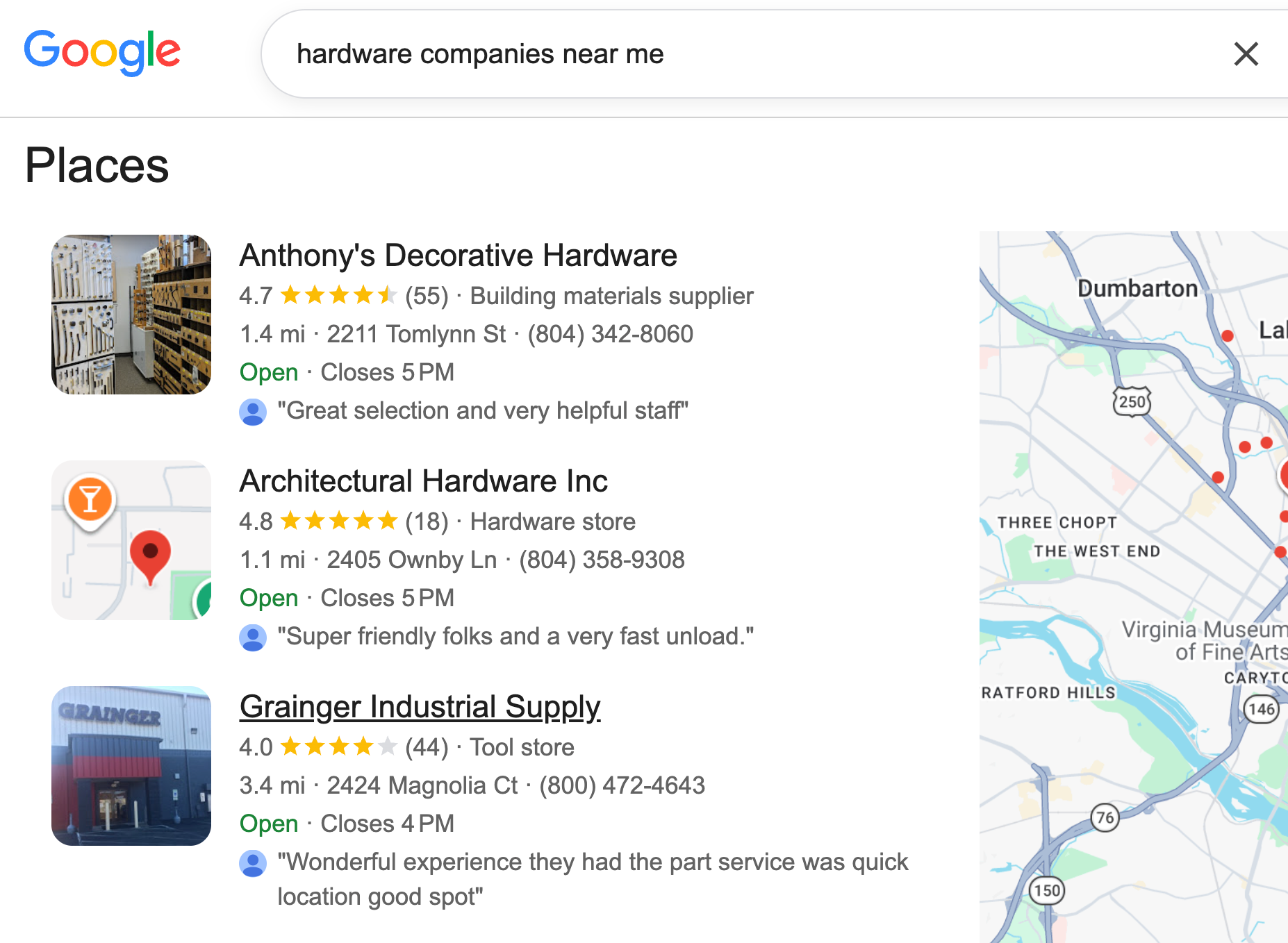
Drive traffic from “near me” rankings
Consistent NAP Across B2B Directories
Submit consistent name, address, and phone (NAP) details to local directories to protect search engine rankings and visibility, starting with Yelp, Yellow Pages, LinkedIn Company Directory, Apple Maps, Facebook, and the industry-specific directories that matter in your vertical. Inconsistent NAP is one of the most common silent killers of local rankings in the major search engines, and B2B directories tend to scrutinize listings more aggressively than consumer directories.
Regional and Territory Landing Pages
Build a dedicated page for every region or territory the distributor business serves. Each page should call out the cities and counties covered, the warehouses or service centers attached, delivery commitments, regional team contacts, and any territory-specific product availability. Work region terms and keywords into the title, meta, headers, and body copy. Add LocalBusiness schema on each webpage so the territory boundaries and specific regions are unambiguous to the search engines.
Website Reviews and B2B Trust Signals
Website reviews matter in B2B seo strategies. Actively solicit reviews on Google Business Profile, Yelp, and your industry's review platforms after every major delivery or installation. Review velocity and freshness factor into local rankings in the search engines, and review text frequently injects locally and product-specific keywords into the SERP for you.
Technical SEO and Page Experience
Technical strategies and fundamentals keep a distributor website fast, mobile-friendly, secure, and easy for crawlers to traverse. The technical bar is real: a 1-second delay in a webpage response can cut conversions by 7% and spike the bounce rate, and roughly 47% of users (your B2B users) expect a webpage to load in 2 seconds or less.
Core Web Vitals and Page Speed
Run PageSpeed Insights and Lighthouse for website performance against category, product, and homepage layouts. Targets the search engines reward and that drive better search engine rankings include Largest Contentful Paint under 2.5 seconds, Interaction to Next Paint under 200 milliseconds, and Cumulative Layout Shift below 0.1. Compress every image with WebP to protect your website's loading speed, lazy-load below-the-fold media, and host video externally on YouTube or Vimeo to protect your website's loading speed rather than self-hosting.
Google and the other major search engines index the mobile version of your website. B2B users and buyers research from mobile devices (so mobile friendliness matters) between meetings, on the website at customer locations, and on the warehouse floor. Validate the mobile experience and mobile friendliness end to end. Enable HTTPS sitewide, audit for broken links and 404s monthly, fix outdated meta tags, prevent faceted filter URLs from creating thin duplicates with canonical tags or noindex, and run a full website audit twice a year.
Visual Content for Technical B2B Buyers
Visual content matters in B2B distribution for distributors too. Engineers and technical professionals in this target audience reportedly watch at least an hour of work-related video each week. Multi-angle product photography, demonstration video, application footage, and installation walkthroughs all outperform stock imagery on engagement and on rankings. If your product is a part for a larger product this is vital for buyers to ensure it fits what they need.
Multi-Angle Imagery, Video, and File Hygiene
Replace generic stock photos with high quality multi-angle shots of every SKU. Add a short demonstration or installation video for higher-ticket products and host it externally to protect page speed. Rename image files descriptively before uploading ("24v-din-rail-relay-finder-55-32-9-024.webp" beats "IMG_0042.jpg") and write alt text that includes the model number, key spec, and application where natural.
Conversion Tracking, RFQs, and Call Analytics
Distributor seo strategies do not end at the click. Most B2B distribution conversions for distributors are phone calls and RFQs, not online checkouts in the search engines. Tracking has to follow the conversion off the URL, attributed back to the search query that started it.
Call Tracking and Form Analytics
Implement website call tracking with dynamic phone numbers per channel so every call rolls up to the right source. Phone calls and form leads reportedly outperform basic form fills 10x to 12x for distributors in B2B distribution (relying solely on forms misses calls entirely), which means a strong call-tracking setup is often the difference between SEO that looks like it is working and SEO that you can actually prove. Layer in form analytics on every RFQ and contact page.
UX, A/B Testing, and Conversion Refinement
Simplify navigation, add a clear search bar, use breadcrumbs, secure the checkout with SSL, offer multiple payment methods where applicable, and minimize the number of steps in any form. Run heatmaps and visitor recordings of real users to find real friction and improve usability, and A/B test landing pages, RFQ forms, and call-to-action copy. Conversion and website improvements with customer experience tweaks multiply the value of every organic visit.
Automate Distributor Product Page Enrichment & SEO Optimization With Pumice Ai
All the enrichment and on-page best practices above add up to real work when a distributor catalog runs into the tens of thousands of SKUs and almost every product listing started life as sparse manufacturer copy.
Pumice automates the entire enrichment and SEO optimization process with two complementary workflows that map directly onto the highest-priority lever: making product listings complete and SEO-ready. The Merchandising Pipeline runs the full enrichment plus generation workflow across the catalog. The Product Page Optimization Playbook runs a focused SEO pass on individual listings after the data is complete. Both produce listings deep enough to rank for more long-tail buyer queries and complete enough to convert the buyers those queries deliver.
Two Methods for AI-Driven Distributor Page Optimization
There are two methods for using Pumice to enrich and optimize distributor product pages, and the right method depends entirely on how complete the existing product data is. Most distributors run both as stages of the same workflow: enrich the catalog first, then run the focused SEO pass on flagship SKUs. It is easier to understand them on their own first.
Method 1: Merchandising Pipeline For SKU Research & Enrichment
Use the merchandising pipeline when the product data is thin, which for distributors is almost always the case. Short titles, half-written descriptions, missing specs, no Q&A sections, weak product images, and skeletal attribute tables are the common signals. Trying to optimize a listing in that state means optimizing on top of bad data, and the output is shallow, generic, and easy for search engines to ignore.
The merchandising pipeline runs a research phase first. It searches the web, finds the manufacturer or trusted vendor page, scrapes the real specs and structured product data, validates the source. You can also upload a PDF manufacturer catalog to use for research as the system will pull product information out of the PDF for enrichment. We always recommend doing this step if you have a catalog as this data is generally sourced directly from the manufacturer.
A page from a PDF catalog. We can pull out size ranges, color, SKU number, and images.
From there the generation phase generates an enriched title, description, attribute set, and Q&A from the validated data following your brand guidelines, content quality rules, and examples. This ensures the newly created content is exactly how you would write it.
Enrich this product page first, then SEO optimize it. All of the recommendations from the Playbook will focus on how bad the content is compared to competitors, not how its structured.
Method 2: SEO Optimization When Product Data Is Complete
Method 2 uses the Pumice Product Page Optimization Playbook. Run it after Method 1 has enriched the catalog, or on flagship SKUs that already have a workable title, a real description, comprehensive specs, and the supporting attributes a buyer needs. The optimization process is a focused SEO pass. You feed the existing product data and the main target keyword to the Pumice Agentic System, the agents run gap analysis, competitor analysis, SEO keyword analysis, and on-page metrics against the top-ranking competitors, and you get back a structured brief that tells you exactly what to change to improve search engine rankings.
This is the right method when the data quality is good but the listing is underperforming in the SERP. The agents do not invent facts or generate new product data. They restructure and reframe what is already there with data-driven recommendations grounded in the live SERP.
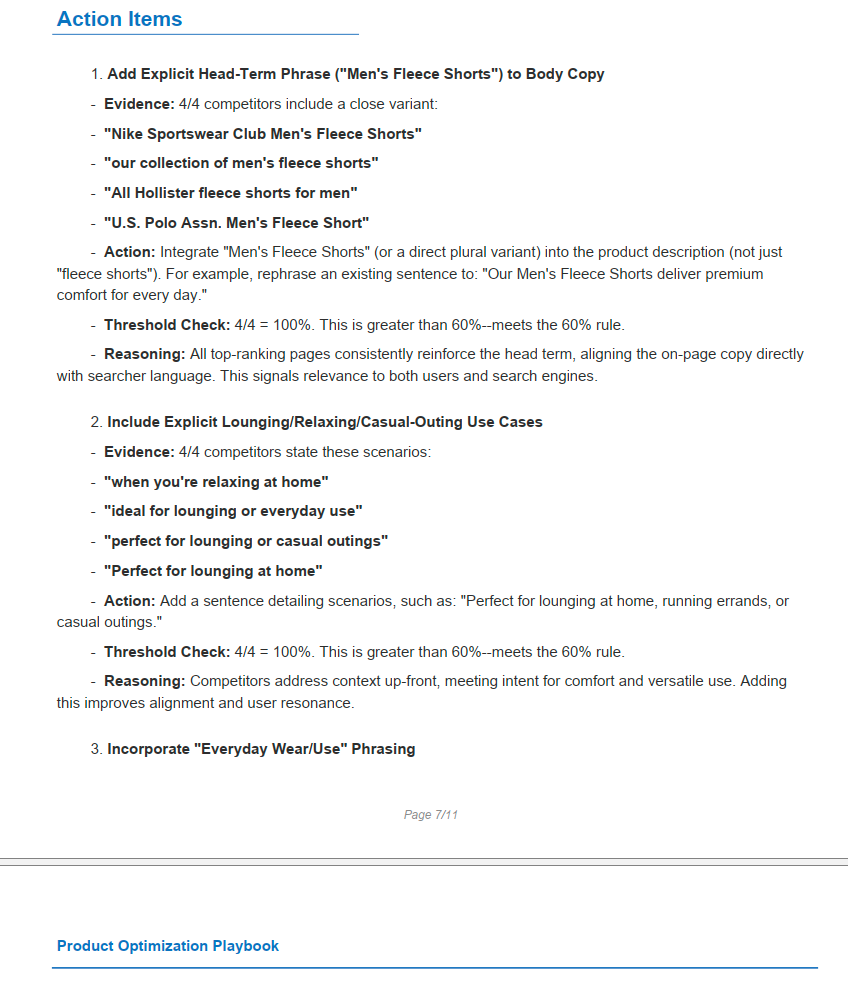
Action items in the playbook. Clearly defined action to take, reasoning behind the update, and a validation check that competitors for the keyword are actually doing this
Below is the three-step workflow that takes both methods into account based on your current data structure.
The 3 Steps of AI-Driven Distributor Page Optimization
This workflow breaks down into three steps that apply to both methods. The steps run in the same order whether your data is sparse or complete. The only difference between Method 1 and Method 2 is whether Step 1 includes the research phase.
Step 1: Web Search Research Phase for Product Data Augmentation
The research phase focuses on augmenting the product data the distributor has for a specific listing. The goal is to enrich the current product page so the new page is complete, without allowing AI to hallucinate product specifications. The pipeline pulls live manufacturer pages, ranked competitor listings, keyword volume, and search visibility signals so the generation step has real facts to work with when building each enriched page.
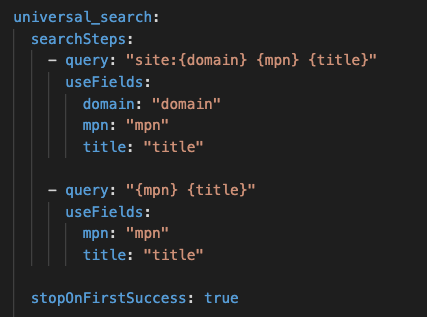
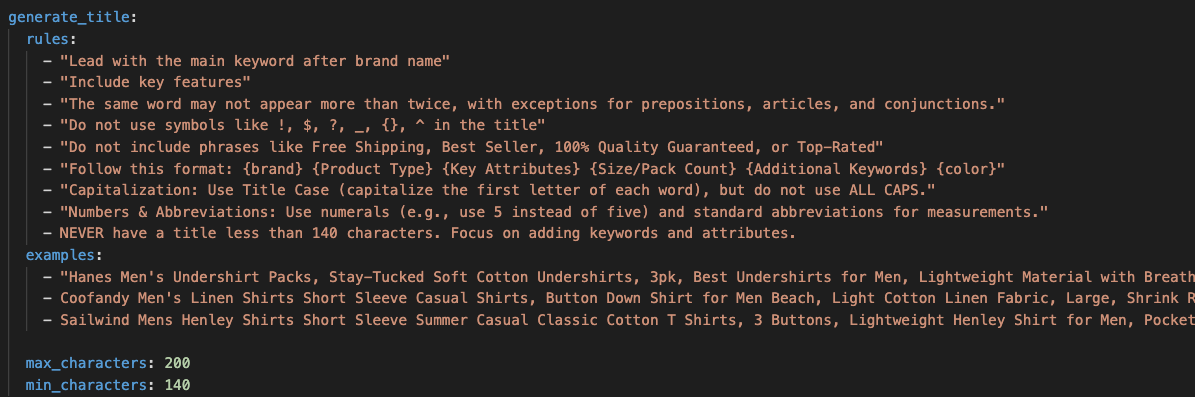
The Pumice Merchandising Pipeline is fully configurable per run through a YAML configuration file that controls what the Pumice pipeline does on each run. You define which search steps to run, the order they run in, and which fields from the CSV row get filled into each query. A typical first query is a tight site search like site:manufacturer.com plus the SKU and product title, and the placeholders for domain, MPN, and title pull straight from the matching columns in your CSV row.
A simple web search configuration that first searches a specific domain with the MPN number and title, and if nothing is found searches the general web with the MPN and title
Fallback search queries chain into the same configuration. If the narrow manufacturer-site search returns nothing, the next query drops the site restriction and searches the broader web for the same SKU and title. You can chain as many fallback steps as the catalog demands. The stopOnFirstSuccess setting tells the pipeline to stop the moment one query returns useful results, so you never waste compute running a broader search after a narrow one already worked.
The configuration also controls how the scraper reads the pages it finds. The smart_scraper accepts a custom prompt that tells it exactly what to extract from each manufacturer or competitor page, whether that is the title and full description, the complete spec list, certification details, or a specific set of attribute key-value pairs. A maxResults setting caps how many pages get scraped per product, which keeps the pipeline fast and prevents diminishing returns on near-duplicate sources.
Complex scraper configuration that outlines the fields to grab, rules for grabbing the fields, and how to think about converting fields. It also includes optional fields for number of results, retry logic, and timeouts.
Because every part of the research phase lives in the configuration file, you can change the approach on a per-run basis. Some runs need an aggressive web scrape with multiple fallback queries across the manufacturer ecosystem. Some need a single PDF catalog parse against a vendor spec sheet. Some need a hybrid where the search prefers a manufacturer domain first and falls back to the open web. The same Pumice pipeline handles every variation without code changes, which is what makes the workflow scale across very different distributor catalogs.
Step 2: Generate Enriched PDP Content Using Rules, Examples, and Validation
The generation step is where the enriched page content gets created: the new title, the rewritten description, the expanded attribute set, and the Q&A block. The system can create thousands of complete listings per run. The generator receives the existing product data, any enriched research data from Step 1, the rules you define, the examples you provide, and the validation thresholds you set.
That same configuration file you set up for the research phase also sets up the steps to take in the generation phase.
Rules That Shape the Output
Rules are plain language instructions that tell the model how to write each piece of the page. They read like a brief you would give a copywriter and shape every part of the output.
Title rules, examples, and character validations.
Good rules for distributor titles and descriptions include rules like "lead with the brand and model number," "include voltage, dimensions, and certification in the description," "avoid all caps and promotional text," "list compatibility with adjacent SKUs in the catalog," and "end the description with a clear RFQ CTA." You can write as many or as few as you need. Some distributor teams write forty rules because their category has strict spec requirements. Others get strong results with five.
Examples That Teach the Model What Good Looks Like
Examples are sample listings that demonstrate what a good output looks like for your catalog and brand voice. Where rules describe the target in words, examples show the model the actual shape. A concrete example like "Finder 55.32.9.024.0040 24V DC DIN Rail Mount Industrial Relay, 10A, 2 Pole, LED Indicator" teaches the model the order. A pattern example like "{brand} {model} {voltage} {form factor} {amp rating} {pole count} {accessory}" teaches the model the template.
Mix concrete and pattern examples for the best results. Two finished listings plus one template gives the model both a polished target and a clear structure to follow.
Validation That Enforces Field Limits
Validation runs after the content is written and enforces hard rules the model must obey. The most common validation rules are character or word counts. A maximum title length keeps the title from being truncated in the SERP. A minimum description length prevents thin, useless outputs. You can also validate that required fields (certifications, MPN, voltage rating) are populated before the row is accepted.
Limits depend on where the listing appears. Distributor product detail pages on the brand site usually take long-form descriptions of 300-600 words. Industry buyer platforms and marketplaces have their own truncation rules that the configuration can enforce.
The Retry Loop That Forces Better Output
The retry loop is automatically built in and ensures any validations defined are followed if the first generated output does not fit the requirements. Pumice tells the model exactly what failed, quotes the failing candidate, and asks for a fix. By default the pipeline allows four attempts. If none pass, it keeps the closest candidate, flags the SKU in the output file, and moves on so the rest of the batch finishes.
Step 3: Optimize the Page in the SEO Playbook
The Pumice Optimization Playbook turns generated and enriched product content into a publish-ready, SEO-focused listing. It produces a marketing brief like you would get from an agency, in minutes instead of weeks. For flagship distributor SKUs and competitive RFQ-driving products, this step is where the per-page polish happens after the bulk enrichment work in Method 1.
Playbook Output and Action Items
The playbook output is a structured PDF that breaks down the current product data, the competitor data from the first-page SERP for the target keyword, the gap analysis between the two, and a list of specific action items. It includes keyword distribution analysis showing which ranking terms and search terms appear in the top-ranking competitor listings, images, and Q&A blocks, and which appear in yours.
Action items always carry four pieces of information. The action to take, the evidence behind it, the threshold check showing how many competitors actually do this thing, and the reasoning. Common action items for distributor pages include adding the brand and model number to the title, adding application-note paragraphs that competitors include, listing certifications in the spec table, adding compatibility callouts, and structuring the description with consistent H2 and H3 sections.
Method 1 in Practice: Running the Merchandising Pipeline to Enrich First
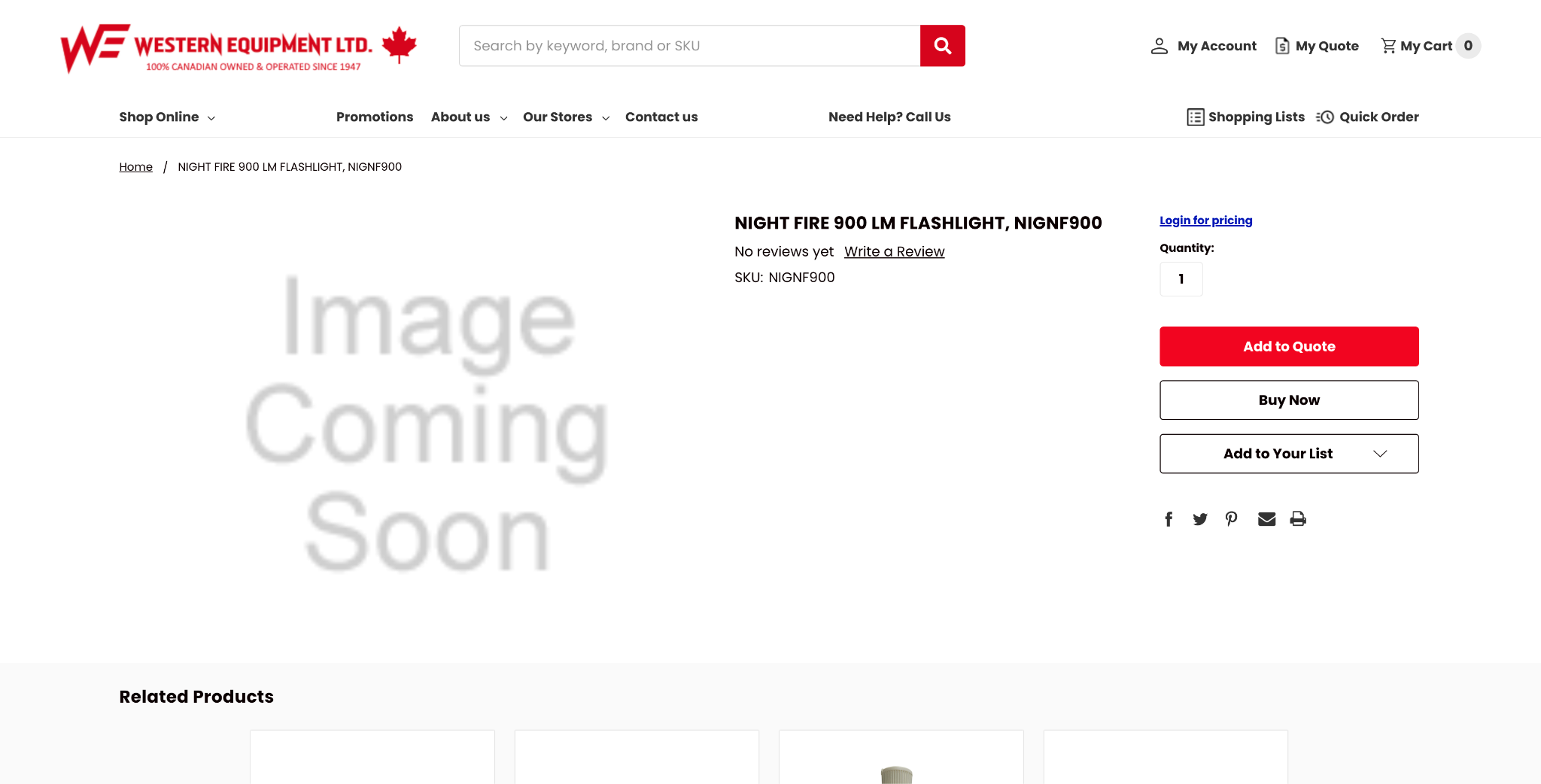
Method 1 starts with a CSV file of products pulled from the distributor's ERP or PIM, and a configuration file that defines the run. We also have a full service API if you want to connect these endpoints directly to your catalog. Let’s use the product seen before:
No main product image.
No description
No attributes or product specs.
No bullet points used for SEO and long tail keywords
Mapping the CSV and Configuration File
Each CSV row represents one product. The pipeline needs a current title column, a current description column, and a main product identifier like a SKU, MPN, or UPC. A domain column is also recommended because it lets you tell the pipeline exactly which manufacturer or vendor websites to pull data from. This is commonly the manufacturer's own product detail page where the canonical specs live.
You’ll upload your configuration file and ensure you’ve included the steps required and the fields to use.
Research Phase Searches and Validates
We find a few product pages from the manufacturer that are complete enough to use.
And the result of one of the pages we pulled from.
Generating the Enriched Page From Validated Data
After the validated research data lands, the page generator runs with our specific rules, examples, and validation just like Method 2. The difference is that the inputs now include the enriched data from the live manufacturer page, so the generator has comprehensive facts to work with.
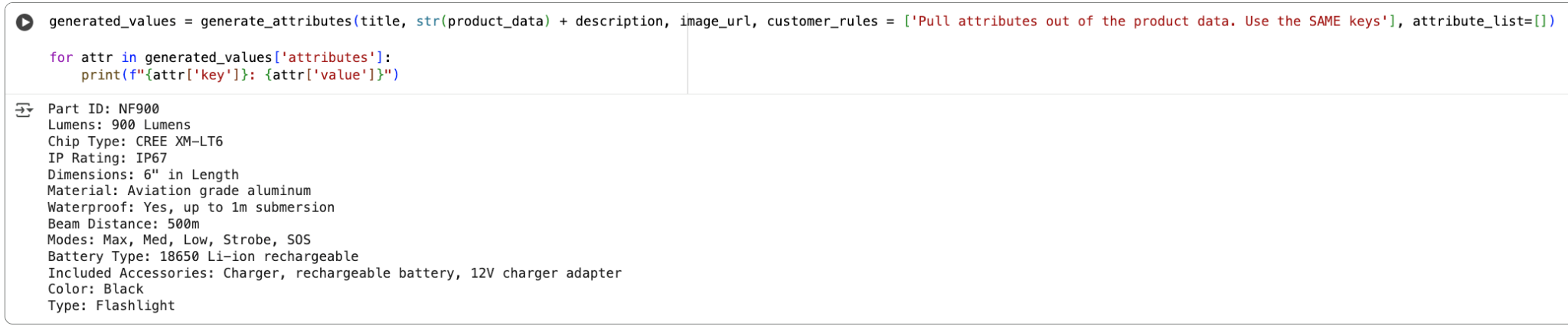
Lets get some attributes and specs set up. We don’t have an existing list of attribute keys, so we’ll pull out the ones used on the manufacturer site. If you have a predefined list of attribute keys to use you can provide it in the configuration file or dashboard.
We generate a new title with key features, the brand name and sku.
Now let's write some bullet points to add to the description.
Method 2 in Practice: Optimizing an Industrial Relay Page
Walking through a real product example makes the method concrete. For this walkthrough, the starting product is a 24V DC industrial relay on a distributor catalog page with a usable title, a complete description, and full specs already in place (either originally complete or enriched by Method 1). The target keyword is "24V DC industrial control relay." The data is good, the page is just not ranking.
Loading the Product Into the Optimization Playbook
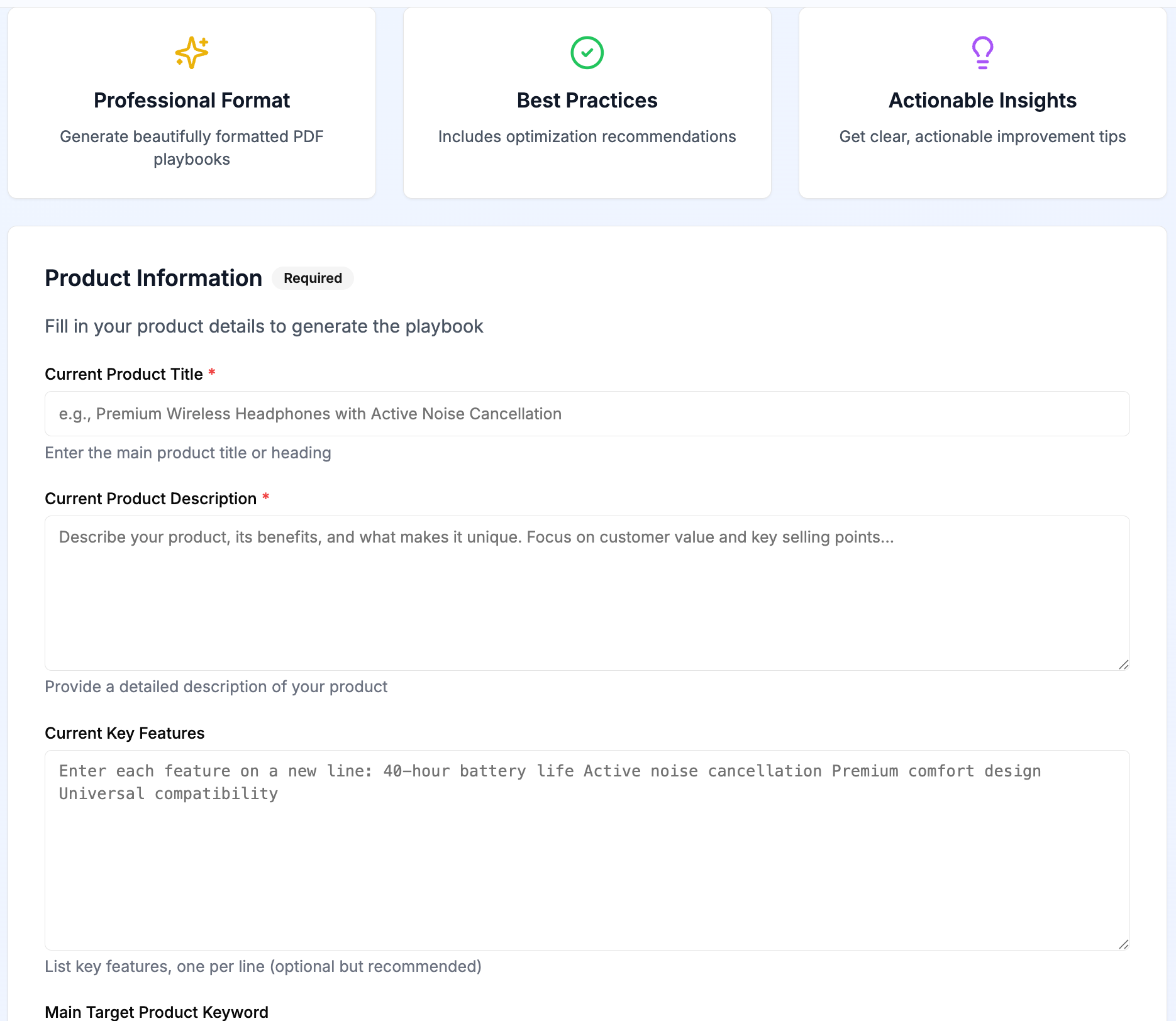
Open the Pumice Product Page Optimization Playbook and paste in the existing title, description, and supporting attributes (voltage, contact rating, pole count, mounting style, certifications). Enter the main target keyword, hit Pull Traffic to see live search volume and difficulty, and confirm the keyword is worth chasing. Use this same feature to perform lightweight keyword research and explore long-tail buyer queries like "24V DC relay DIN rail mount 10A" before locking in the target.
Enter your own domain so the system excludes your own pages from competitor analysis. The Pumice Agentic Framework then runs gap analysis, keyword analysis, competitor analysis, and on-page metrics in the background against the first-page SERP.
Reading the Data Analysis Output
The playbook returns a multi-page PDF per product. The shared frequency section confirms that the top-ranking competitor titles all include the brand, the voltage, and the mounting style, the word order matches a consistent pattern, and the title is an exact match against the buyer query. That is the baseline.
Example data analysis output.
The interesting part is the differences. Three of four competitors include certification standards in the title. Most include the pole count and amp rating. Some use pipe separators to fit more attributes inside the SERP truncation limit. The current listing has none of that, and the playbook flags every gap with a threshold count and a recommended fix.
Applying the Page Recommendations
The recommendations section translates each gap into a specific change. Add the brand and model number to the title, add the UL certification and amp rating, restructure the description with H2 sections for Specs, Applications, and Compatibility, expand the Q&A block with three high-volume long-tail queries, and add multi-angle images of the relay on a DIN rail. Each recommendation includes a threshold check showing how many of the top competitors do it.
Apply the changes, rerun the playbook to confirm the new page closes the gap, and the SKU is ready to publish. The same workflow scales to hundreds of flagship distributor SKUs without losing per-product specificity.
Measuring SEO Results and Refining the Strategy
Track organic traffic and seo traffic, landing page performance, RFQ submissions, phone call volume, and revenue attributed to organic listings inside GA4 and your CRM. Layer in Google Search Console for queries, indexed pages, Core Web Vitals, rich result enhancements, and local impressions. Together they tell you which pages drive RFQs and which pages need the next round of optimization.
Set quarterly digital marketing benchmarks against organic traffic growth, rankings and visibility for primary B2B query sets, Map Pack visibility for territory keywords, local searches, and overall visibility, RFQ submissions, leads, and inbound quality leads from organic search, leads from forms, call volume tied to organic landing pages, more customers, and repeat customers and prospect customers. URLs with high impressions but low quality clicks and weak quality signals need stronger title tags and meta descriptions. URLs with traffic but low quality RFQ conversion need stronger calls to action, clearer pricing or lead-time information, or better internal links to supporting content.
Frequently Asked Questions
How long does SEO for a distributor take to show results?
Most distributors, manufacturers and suppliers, and other suppliers' businesses see meaningful business lift organic lift, more quality leads, and higher rankings with these seo strategies within 3 to 6 months when they work consistently on local SEO, product listing rewrites, and technical fixes. Long-tail buyer queries with low competition often move in 60 to 90 days. Competitive head terms can take 9 to 12 months or longer. Treat search engine optimization as a key part of long term growth and a long-term acquisition program, a digital marketing investment, and a process of continuous optimization for the business, not a project.
How do you handle duplicate manufacturer content at scale?
Rewrite every manufacturer or suppliers-supplied description before it ships. For catalogs in the thousands or tens of thousands of SKUs, manual rewrites are unrealistic, which is where tools like the Pumice Merchandising Pipeline come in. The pipeline reads the manufacturer URL, validates the source, and generates a new description against your rules and brand voice across the whole catalog in a single run.
Should a distributor prioritize local SEO or organic SEO?
It depends on the territory model. Distributors with regional showrooms, defined service areas, or contractual territory obligations should lead with local SEO, Map Pack visibility, NAP consistency, and dedicated territory landing pages. Distributors with nationwide drop-ship coverage should balance local SEO with broader organic SEO targeting industry and product queries. Most hybrid distributors run a 50/50 split and revisit it every 6 to 12 months.
What is the most important conversion metric for distributor SEO?
RFQ submissions, leads, and phone calls usually outweigh on-site checkouts for B2B distribution. The single highest-leverage tracking move is implementing dynamic call tracking so every phone call rolls up to the search query, search results URL, and landing page that started it. Without that attribution, most distributor SEO programs look weaker than they actually are.
Can a distributor handle SEO in-house?
A small distributor can handle the basics in-house: claiming and maintaining the Google Business Profile, keeping local citations consistent, requesting reviews after deliveries, and publishing simple buying guides. The bigger lift in search engine optimization (catalog-wide manufacturer copy rewrites, technical audits, structured data rollout, and large-scale content planning) usually benefits from outside SEO services or a tool like Pumice. Pumice's Merchandising Pipeline brings expertise to website work and quality to the catalog-rewrite piece an in-house team would otherwise have to pay an agency to do.
Conclusion: Build a Distributor SEO Engine That Compounds
Distributor and wholesale suppliers SEO rewards any business that treats it as a system, not a project. B2B keyword research strategies align the catalog with how buyers actually search. On-page rewrite strategies kill the duplicate manufacturer content problem, and content strategies feed authority. Local SEO strategies capture the territory and lift visibility. Website content marketing builds topical authority and feeds the funnel. Technical SEO keeps the website fast and crawlable. Website RFQ and call tracking strategies prove the program is working.
The next step is a focused 30-day plan: claim and complete a Google Business Profile for every location, rewrite the manufacturer descriptions for your top 25 revenue SKUs using Pumice, publish two long-form buying guides linked into the relevant product and industry pages, and stand up call tracking on every contact and RFQ page. Measure organic traffic, RFQs, and call volume in GA4 and your CRM at day 30, day 60, and day 90, then expand the website SEO program.
Rebuild Your Manufacturer-Supplied Catalog for SEO in Minutes
Pumice.ai runs the full distributor merchandising pipeline described in this article: catalog ingest, manufacturer and suppliers page research, rules-driven title and description rewrites, and validation against your category and brand voice. Free to try, no credit card required. Bring a CSV of SKUs where your descriptions are still the manufacturer's copy and see how Pumice rewrites them at scale.








.png)